Land is buildable when it can legally and practically support the home you have in mind. In practice, five things have to check out: the soil can handle a septic system (or the parcel can tie into public sewer), the property has legal access to a road, zoning and any deed restrictions allow a house, the building site sits outside the flood zone, and power and water can reach it at a price that makes sense. Every one of those can be confirmed before you close, and the smartest buyers make their offer depend on it.
Start With Septic, Because It Decides the Most
Most rural parcels in our part of Tennessee and North Georgia are not on public sewer, so the first question is whether the ground can take a septic system. People call this a perc test, but what usually happens is a soil evaluation: test pits are dug and the soil is read for depth, drainage, and signs of a seasonal water table. Shallow rock, heavy clay, and wet bottomland are the usual reasons a lot struggles, and our ridge and valley country has plenty of all three.
In Tennessee, septic permits come from the Department of Environment and Conservation’s Division of Water Resources, except in counties that run their own program. Hamilton County is one of those: its Division of Groundwater Protection handles septic permits for land around Chattanooga that is not on sewer. For a single lot, the permitting office can evaluate the site itself, or you can hire a state-certified soil scientist to map the soils, and some offices will ask for that soil map before they issue a permit.
In Georgia, septic permits come from the county environmental health office, part of the Georgia Department of Public Health. Across much of North Georgia, that office will want a Level 3 soil survey from a certified soil classifier before it permits a new system, so budget time for that report.
A lot that will not pass for a conventional system is not always finished. State rules allow alternative system designs on some marginal soils, though they cost more to install and maintain. And remember that the approved septic area decides where the house can go. Plan the home site around it, and never build, park, or pave over it.
Confirm Legal Access, Not Just a Driveway
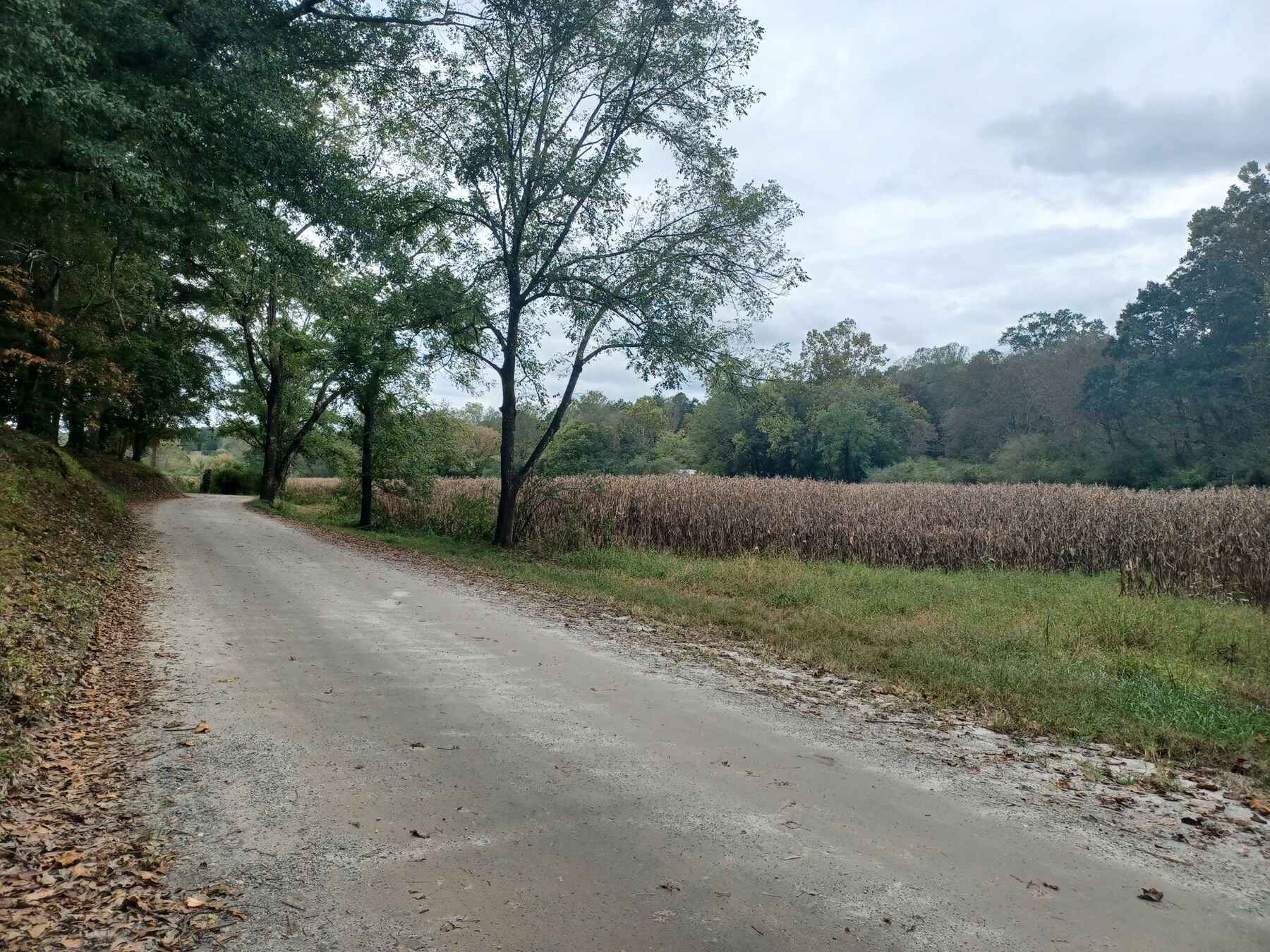
A gravel road running onto the property is not proof you have the right to use it. What you need is legal access: frontage on a public road, or a recorded easement across neighboring land that stays with the property when it sells. Parcels that rely on a handshake agreement or an old logging road can be very hard to finance, insure, or sell later, and some are close to impossible to build on.
Ask your closing attorney or title company to confirm recorded access before closing, and check that the easement is wide enough for a real driveway, utility lines, and a fire truck. If the access is a shared private road, find out who maintains it and whether there is a written road maintenance agreement. Ask the county, too, whether it requires a driveway permit or a culvert where your drive meets the road.
Check Zoning and Deed Restrictions
Zoning decides whether a home is allowed at all, how large the lot must be, and how far the house has to sit from the property lines. The rules vary widely across our four regions. Some rural counties have very little zoning, while the growing areas around Chattanooga, Knoxville, Nashville, and North Atlanta have plenty. Call the county planning office with the parcel ID before you fall in love with a building spot.
If you are looking in unincorporated Hamilton County, planning there is in transition. The county has been moving zoning and platting work from the Chattanooga-Hamilton County Regional Planning Agency to its own planning commission, and a new growth plan, Plan Hamilton, now guides rezoning decisions. Ask the county which office handles your parcel today.
Zoning is only half of it. Deeds and subdivision covenants can add their own rules, such as a minimum home size, a ban on manufactured homes, or limits on outbuildings and livestock. If you plan to split acreage into more than one homesite, the county’s subdivision rules apply as well, usually including a new survey and plat.
Look Up the Flood Map
Creek frontage is one of the most popular features in land around here, and one of the most common reasons a building site has to move. Look the parcel up on FEMA’s Flood Map Service Center. If the home site falls in a special flood hazard area, expect county floodplain rules on where and how you can build, and expect a lender to require flood insurance. Plenty of creek tracts have a perfectly dry home site up the slope; the map tells you where it is.
Price Out Power, Water, and Site Work
A cheap lot can become an expensive one once utilities and site work are added. Ask the electric provider, often a local cooperative in rural areas, for an estimate to extend service to your home site, because long runs add up. If there is no public water line, a well is the answer, and depth and yield vary from one ridge to the next, so ask a local well driller what they typically find nearby.
Then look hard at the ground itself. Steep slopes mean more grading, retaining walls, and a longer driveway. Rock can mean blasting. And internet matters more every year; our guide to internet options for rural land covers what is available out past the cable lines.
Write It Into Your Offer
The way to protect yourself is to make the purchase depend on what you learn. A well-written land offer gives you a due diligence period and lets you walk away if the soil evaluation fails, the survey turns up a problem, or the title search cannot confirm legal access. It should also give you the seller’s permission for soil testing, which usually means a backhoe digging pits on the property.
This is where a land specialist earns their keep. Geoff Hurdle is an Accredited Land Consultant who has spent more than three decades buying, selling, and developing land, and he knows which questions to ask about a parcel before you spend money on it. For the rest of the due diligence list, from boundary surveys to ongoing costs, see our buying land checklist.
Common Questions
Do I need a perc test to build on land in Tennessee? If the land cannot connect to public sewer, in practice yes. You need a septic permit, and that starts with a soil evaluation by the state or county program, or a soil map from a state-certified soil scientist. Most people still call it a perc test.
Can I build on land with no road frontage? Only if the property has legal, recorded access, usually an easement across neighboring land. Without it, financing, permitting, and resale all become difficult. Have your attorney or title company confirm access before closing.
What happens if a lot fails the soil test? It may still qualify for an alternative septic design, which costs more, or it may not support a home that needs septic at all. That is why the soil evaluation should be a condition of your offer, not something you check after closing.