Leasing commercial space in Chattanooga comes down to four things: knowing what the rent actually covers, confirming the space can legally be used for your business, negotiating the terms that matter beyond the rate, and starting early enough to get through permits and build-out. Many tenants are also surprised to learn that their own broker usually costs them nothing out of pocket, because the landlord typically pays the commission.
Start With How Your Business Uses Space
Before touring anything, write down what the business needs day to day: square footage, parking, visibility from the road, foot traffic, loading access, restrooms, and room to grow over the length of the lease. A storefront that works for a boutique may be wrong for a medical office, and a great office suite may have nowhere for customers to park.
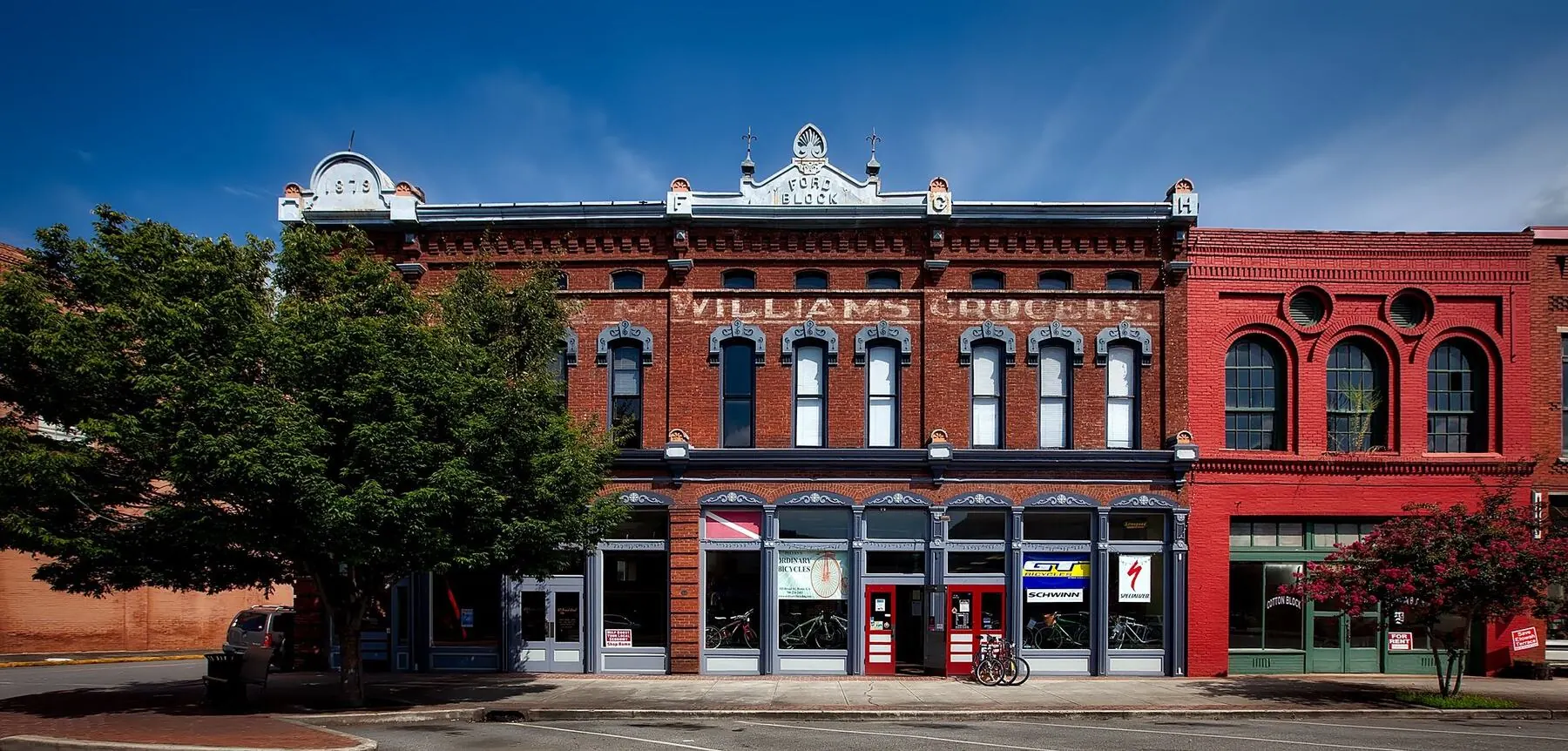
Chattanooga offers a wide range, from older brick buildings downtown and on the North Shore to newer centers around Hamilton Place, Hixson, and Ooltewah, plus flex and warehouse space along the interstate corridors. Each comes with different rents, parking, and build-out realities.
One detail catches a lot of first-time tenants: the square footage you pay for is often the rentable area, which includes a share of hallways, lobbies, and shared restrooms, not just the usable space inside your door. Ask for both numbers.
Know What Kind of Lease You Are Signing
Commercial rent is usually quoted per square foot per year, not per month, and what that number includes depends on the type of lease.
- Gross lease. One rent payment, and the landlord pays property taxes, insurance, and maintenance out of it. Simple to budget, usually a higher base rate.
- Modified gross. The middle ground. Some operating costs are included and some, often utilities or janitorial, are yours. Read exactly which.
- Triple net (NNN). Base rent plus your share of the property’s taxes, insurance, and common area maintenance (CAM). Common in retail centers. The quoted rate looks lower, but your real monthly cost is the base rent plus those charges.
On any net lease, ask for the last two or three years of actual NNN and CAM charges, what they include, and whether increases are capped. Those charges can rise every year, and they come on top of your rent.
Confirm the Space Can Be Used for Your Business
Zoning has to allow your use, and the building has to be approved for it. If you are bringing a different kind of business into a space, such as turning an office into a restaurant or a shop into a gym, that can count as a change of occupancy under the building code. In Chattanooga, certificates of occupancy and change-of-occupancy permits go through the city’s Land Development Office, and the change can trigger upgrades like added restrooms, accessibility work, fire protection, or kitchen ventilation for a restaurant.
Find out before you sign, not after. A good lease on a space that needs approvals includes a contingency or an early exit if the permits are denied. You will also need business licenses from both the City of Chattanooga and Hamilton County, and signs usually need their own permit.
Negotiate More Than the Rent
The rate gets the attention, but over a five-year lease these terms often matter more:
- Length and renewal options. The right to renew at a set or capped rate protects a location you have invested in.
- Annual increases. Know the escalation, usually a fixed percentage each year.
- Improvement allowance and free rent. Landlords often contribute to build-out or give rent-free months while you build, especially on longer terms.
- Repairs. Spell out who replaces the HVAC system and the roof. On an older building, that one line can be worth thousands.
- Personal guarantee. Many landlords ask small-business owners to guarantee the lease personally. Try to cap it by dollar amount or by time.
- Exclusive use. In a retail center, a clause that stops the landlord from leasing to a direct competitor next door.
- Assignment and subleasing. If you sell the business or need to move, you want a way out that the landlord cannot unreasonably refuse.
Work Backward From Your Opening Date
Between the search, negotiation, permits, build-out, and inspections, leasing takes longer than most owners expect. If the space needs real construction, start looking six months or more before you need to open, and tie your rent start date to the permit timeline so you are not paying rent on a space you cannot use yet.
Why Tenants Bring Their Own Broker
The broker on the sign works for the landlord. A tenant’s broker works for you: pulling comparable lease rates, flagging lease language that will cost you later, and finding space that never gets a sign at all, since plenty of commercial property changes hands before it is ever marketed. In most leases, the landlord pays the commission for both sides.
Geoff & Geoff Group represents tenants as well as landlords and buyers, across Chattanooga, North Georgia, Knoxville, and Nashville, and working both sides of the table means knowing which terms are realistic to ask for. See how the commercial team works, or tell us what kind of space you need.
Common Questions
What does NNN mean in a commercial lease? Triple net. You pay base rent plus your share of the property’s taxes, insurance, and common area maintenance. Ask what those charges have run in recent years so you know your true monthly cost.
Who pays the broker when you lease commercial space? Usually the landlord, who pays the commission for both the listing broker and the tenant’s broker out of the lease. Confirm it in writing at the start.
Do I need a permit to open my business in a leased space in Chattanooga? You will need City of Chattanooga and Hamilton County business licenses. If your business is a different type of use than the last tenant’s, you may also need a change-of-occupancy permit and a new certificate of occupancy from the city’s Land Development Office.