
Off-Grid Living
Off-Grid Internet Options for Rural Land
Real, current ways to get online on rural acreage, from cell boosters to satellite.
Read the article →What it actually takes to disconnect from public utilities on a piece of rural acreage, and what to check before you buy.

Living off-grid on your own land means generating your own power, sourcing your own water, and in many cases handling your own waste, rather than relying on public utility hookups. It is legal on rural land across our four-region footprint, but the specifics, permits, septic rules, and what counts as an approved structure, vary by county, so that is the first thing to check before you buy raw acreage with off-grid plans.
Off-grid living is generally allowed on rural land in Tennessee and Georgia, but county-level zoning and building codes vary widely. Some counties have light requirements for a homestead cabin and septic system; others are stricter, particularly around livestock limits and structure approvals. A property in one county might allow what a property one county over will not, so a call to the local building department before closing saves a lot of headaches later. It is exactly the kind of due diligence our land team runs on every tract before a client makes an offer.
Solar is the most common off-grid power source across our region, and for good reason: the Southeast gets a solid amount of usable sunshine most of the year, which makes a properly sized solar setup a reasonably dependable primary power source. Wind power works better as a supplement than a primary source here, since it depends on more consistent wind than most of our rolling hill country typically sees. On land with a reliable elevation drop and water that runs year-round, a small hydro setup is possible, though it is a bigger, more permanent project than solar or wind and works best paired with a creek or spring that does not go dry in late summer.
Water rights and water access go hand in hand with off-grid planning. In general, surface water, well water, and rainwater on a property belong to the landowner, but you cannot alter a stream's course or cut off water a neighboring property depends on. A drilled well is the most common water source for off-grid homesteads in our region, and rainwater collection is a legal, useful supplement almost everywhere, though it is worth checking your specific county for any permitting requirements on larger cisterns.
Waste handling is the piece off-grid buyers underestimate most often. A conventional septic system needs a perc test to confirm the soil can absorb wastewater, and some counties require it before a building permit will even be issued. On land where a standard system will not perc, alternative systems exist but add real cost, so it is worth having a perc test done, or at least reviewing existing results, before you commit to a specific tract. Road access matters too: a truly off-grid property with a long, ungraded driveway can become difficult to reach in bad weather, which is worth weighing against the privacy that same distance provides.
Off-grid buyers gravitate toward different parts of our footprint for different reasons. The mountain counties around Blue Ridge and Ellijay in North Georgia draw buyers who want elevation, privacy, and tree cover. Land farther out from Knoxville and around the Cumberland Plateau appeals to buyers who want a similar feel with a shorter drive to town. Acreage in Sequatchie and Marion counties near Chattanooga offers a similar off-grid feel closer to home base. Wherever you are looking, the questions are the same: power, water, waste, and what the county actually allows.
It is tempting to research solar equipment and well drillers before you have even found a property, but the land itself sets the limits on what is possible. Slope, tree cover, soil type, and elevation all affect what kind of off-grid setup will actually work well on a given tract. South-facing, less-wooded ground tends to be the easiest starting point for solar, while dense forest cover, appealing as it is for privacy, may need some clearing around the panel site to get consistent sun. Walking a property with someone who understands both the land and the off-grid systems that go on it, before you buy, is the single best way to avoid an expensive surprise after closing.
Most buyers moving toward off-grid living underestimate how long the transition actually takes. Between permitting, well drilling, solar installation, and simply learning the day-to-day rhythm of managing your own systems, a full year from purchase to comfortable, reliable off-grid living is a realistic expectation rather than a pessimistic one. Building in that time up front, rather than assuming everything will be running smoothly within a few weeks, makes the whole process considerably less stressful.
Real, current ways to get online on rural acreage, from cell boosters to satellite.
Read the article →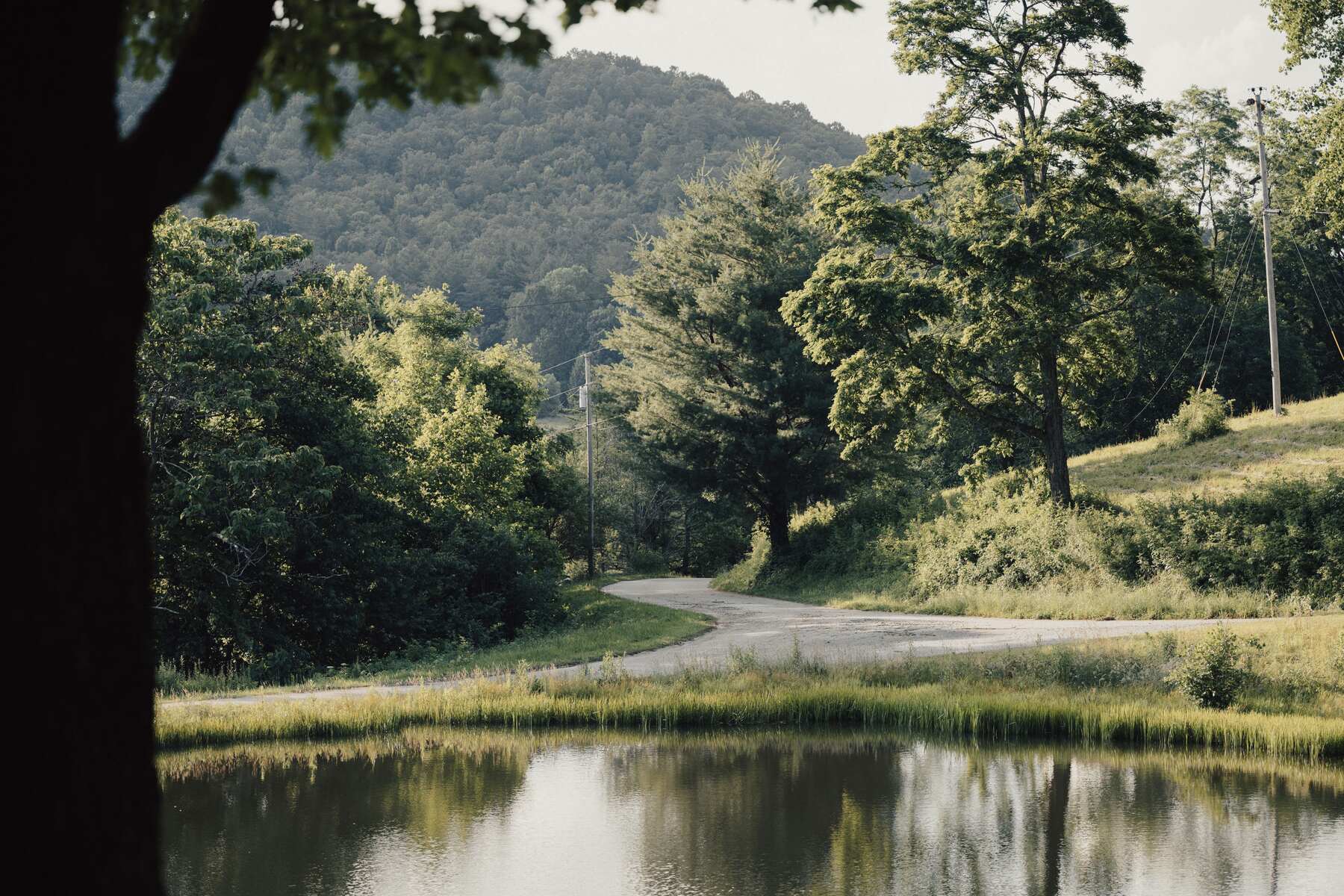
The four things worth planning before you dig a farm or garden pond.
Read the article →
What draws retirees to quieter acreage outside Chattanooga and beyond.
Read the article →We'll help you find acreage with the power, water, and county rules to match your off-grid plans.
Talk to a Geoff