The best time of year to buy land is usually whenever you find the right parcel, not a specific month on the calendar. Each season has real tradeoffs worth knowing about, but none of them outweighs finding acreage that actually fits what you need.
Spring: Fewer Buyers, Easier Viewing
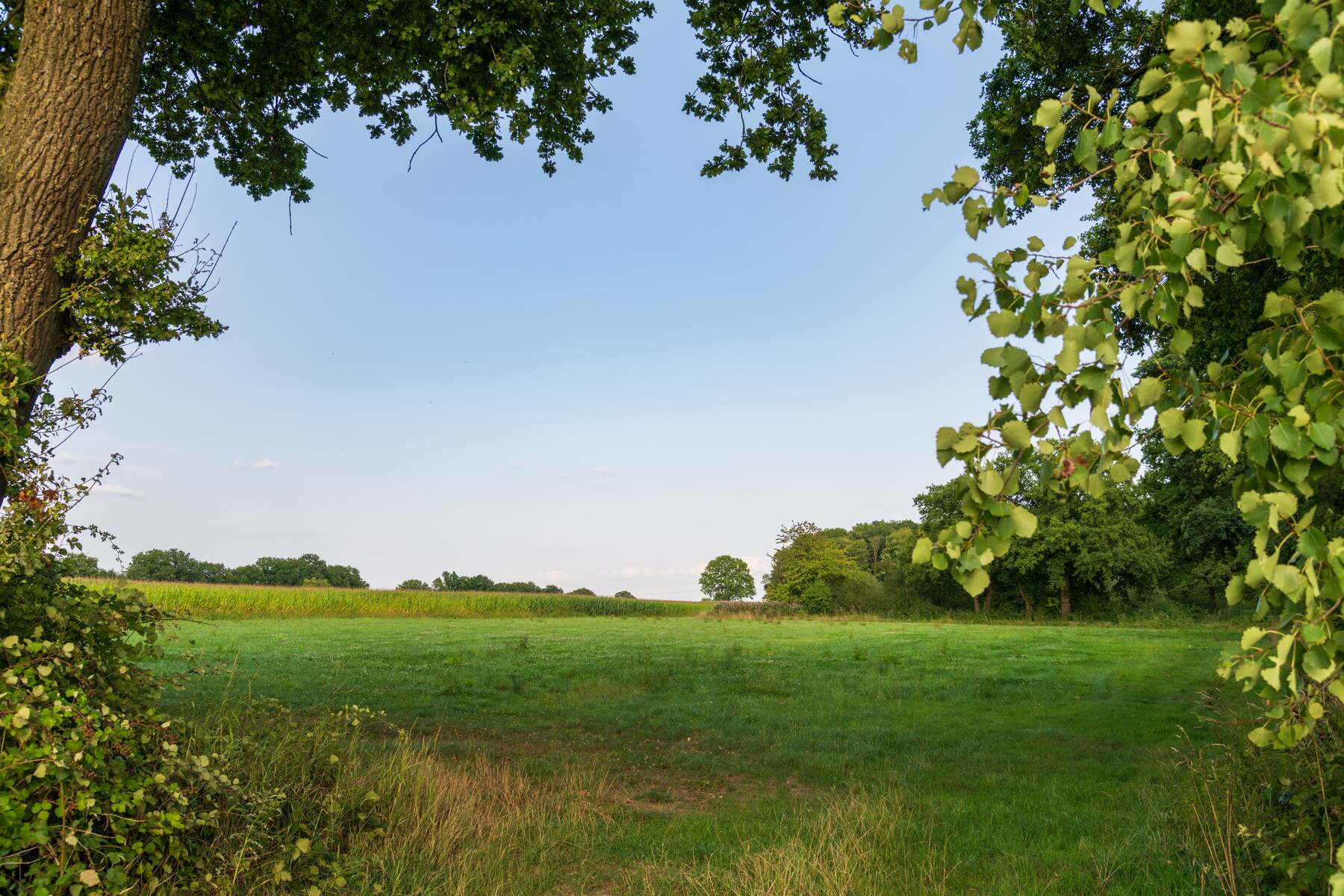
Early spring tends to bring fewer competing buyers before the seasonal inventory picks up, and mild weather makes it easier to walk a property and picture what it offers. Inventory can be a little thinner than later in the year, but the reduced competition often balances that out.
Summer: More Listings, More Competition
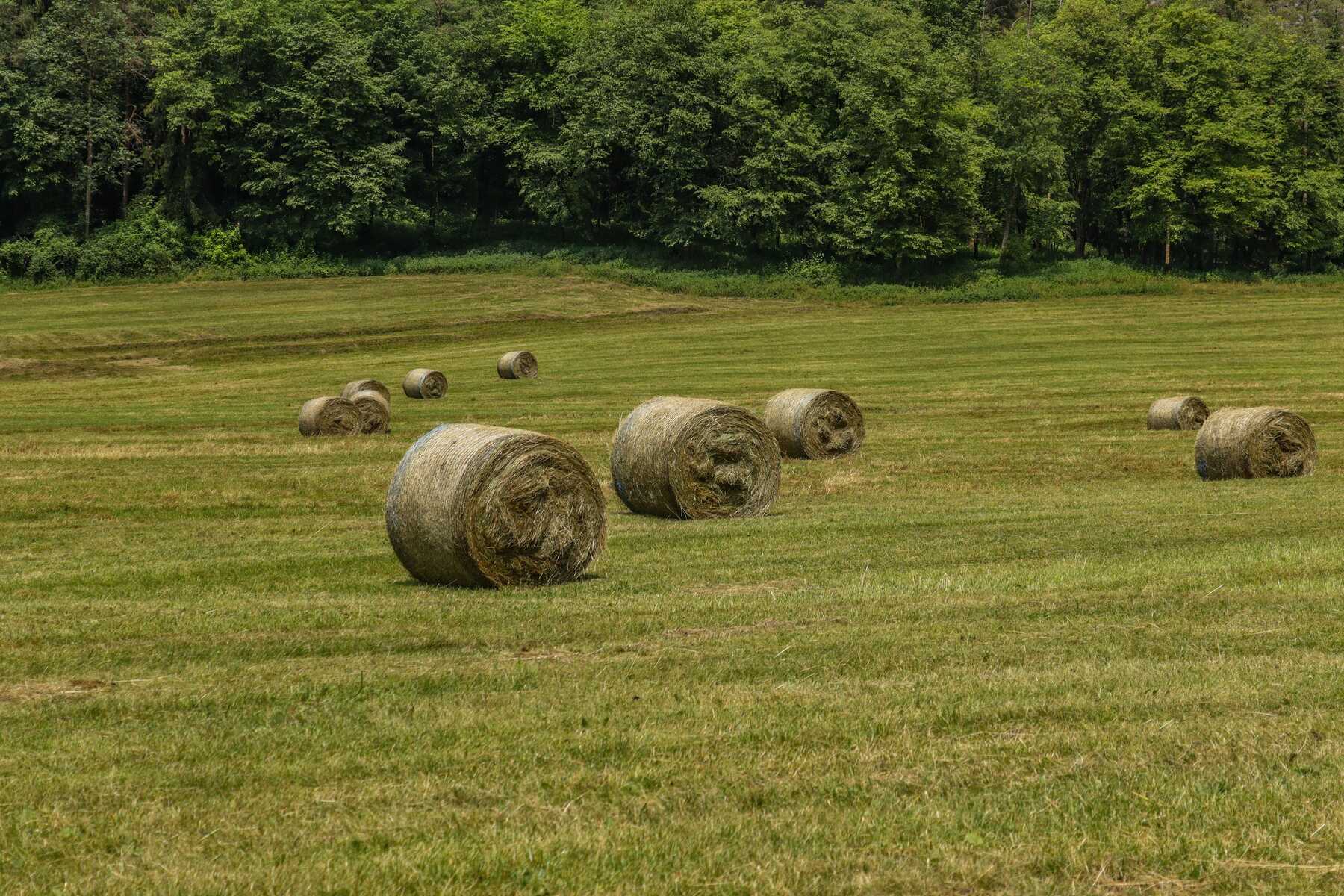
Summer is when land inventory typically peaks, with June through August seeing the most new listings. The upside is more choices; the downside is that everyone else is shopping too, so a well-priced tract with good features can move fast.
Fall: A Quieter Window With Good Visibility
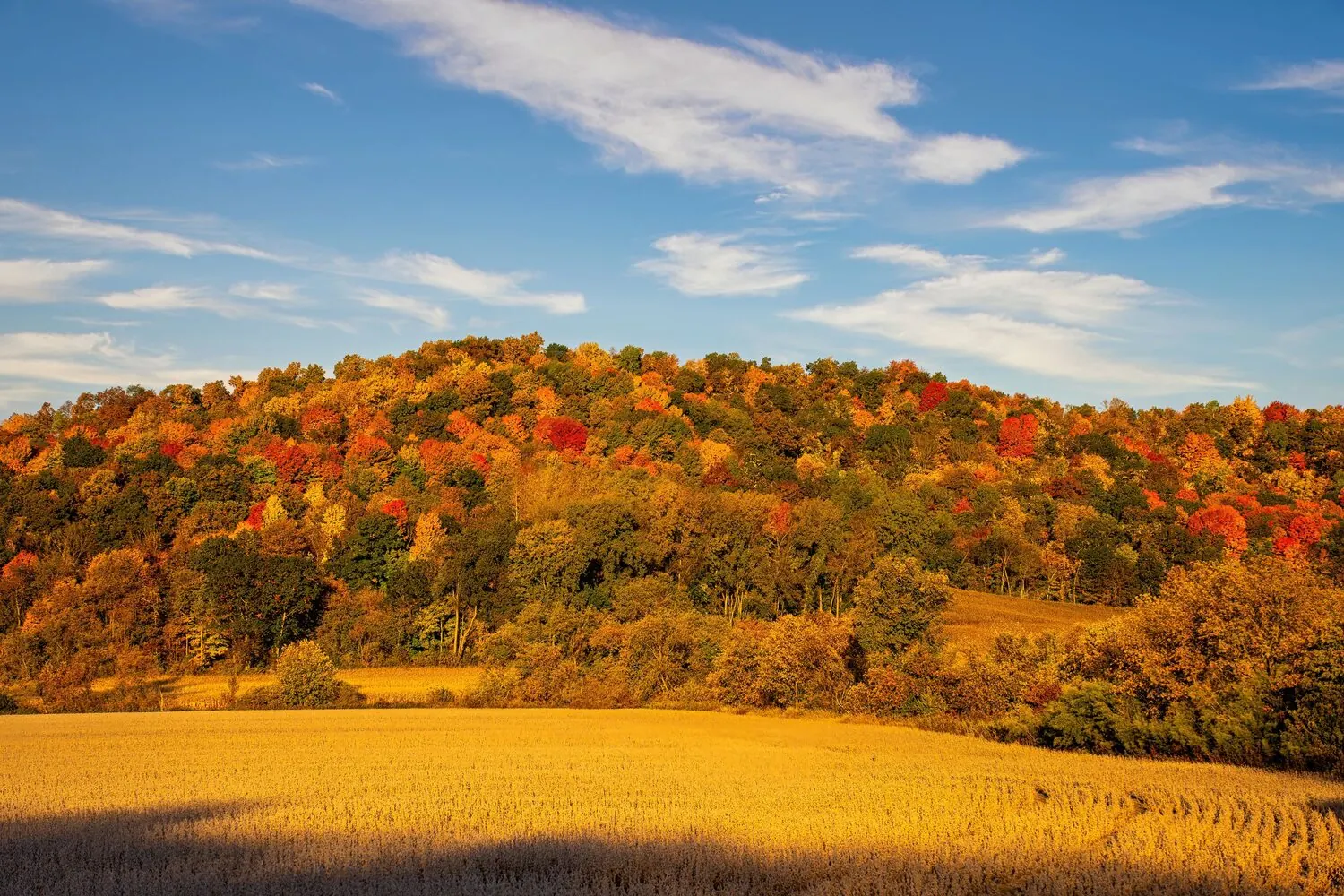
Fall is an underrated season for looking at land. The weather usually holds well enough to walk a property comfortably, competition starts to thin out as the year winds down, and it is easier to see a tract’s real features once leaves drop and thick summer growth clears out.
Winter: The Least Competition
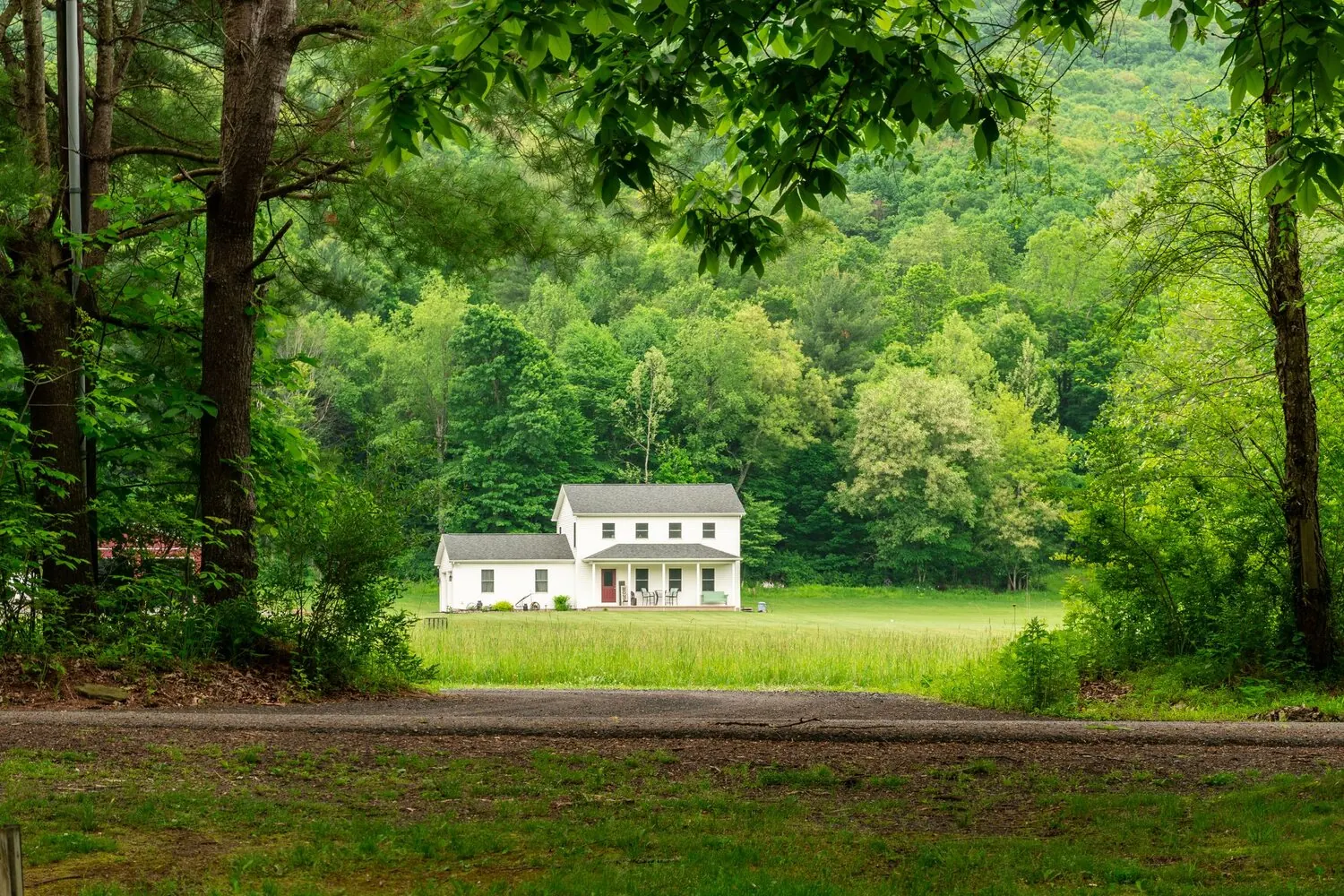
Winter brings the fewest buyers and often the lowest inventory, but for someone ready to move, less competition can mean more room to negotiate. The tradeoff is weather: snow, mud, and short days can make it harder to fully see and access a property before you commit.
Why Timing Matters Less Than It Used To
Land shopping today happens online first, year round, in a way that was not true a decade ago. Buyers research parcels, pull up maps and surveys, and narrow down a shortlist long before ever walking the property in person. Because vacant land does not involve staging a house or scheduling around a family’s daily life, sellers can list and show land at any point in the year without the same disruption a home sale involves. That makes land a genuinely all-season market in a way home buying often is not.
If You Are Selling, the Same Logic Applies
Sellers sometimes hold off listing land in the fall or winter, assuming buyers disappear until spring. In practice, fall and winter buyers tend to be more serious, since they are shopping outside the casual browsing season and often want to close before spring building or planting season arrives. A well-priced tract in North Georgia mountain country or along a Nashville-area county road can move just as well in November as it does in May, particularly if it is priced and marketed correctly for the season it is actually in.
Regional Notes Worth Knowing
Some land types do have real seasonal patterns worth factoring in. Mountain and cabin-adjacent land in North Georgia often shows best in fall, when foliage highlights the terrain, and in winter, when bare trees reveal views that summer growth hides. Lake and creek-adjacent land tends to show best when water levels are typical for the season rather than during a drought or flood stage. These are property-type patterns, not a reason to delay a purchase decision on the calendar alone.
Flat, open acreage near Nashville or Chattanooga is far less season-dependent to evaluate, since drainage and usability are usually visible in any month. If a specific feature of a tract, like a creek, a pond, or a wooded ridge, is important to your decision, it is worth asking your agent what that feature typically looks like across the year rather than assuming the day you visit tells the whole story.
What Actually Matters More
Your own timeline, financing readiness, and how well a specific parcel fits your goals will affect your purchase far more than the season will. A great tract in Sequatchie County in January beats waiting until June for something that turns out to be the wrong fit. Waiting for a specific season also means risking that the parcel you want sells to someone else in the meantime, which is a real cost that rarely gets factored into "wait until spring" advice.
If you are ready to start looking now, our land listings update throughout the year across all four regions, not just during the traditional spring rush.
There is no wrong month to start looking at land, only the right parcel once you find it. Start the search when you are ready, not when the calendar says you should.