Land in Tennessee does not have to sit idle while you decide what to build on it. Depending on its size, location, and features, a piece of acreage can generate real income through leases, agricultural use, or the natural resources tied to it, often with very little upfront cost. If you already own raw land and want it working for you, or you are shopping for acreage with income potential in mind, here are the moneymaking ideas worth a serious look.
Lease It to Hunters, Anglers, and Riders
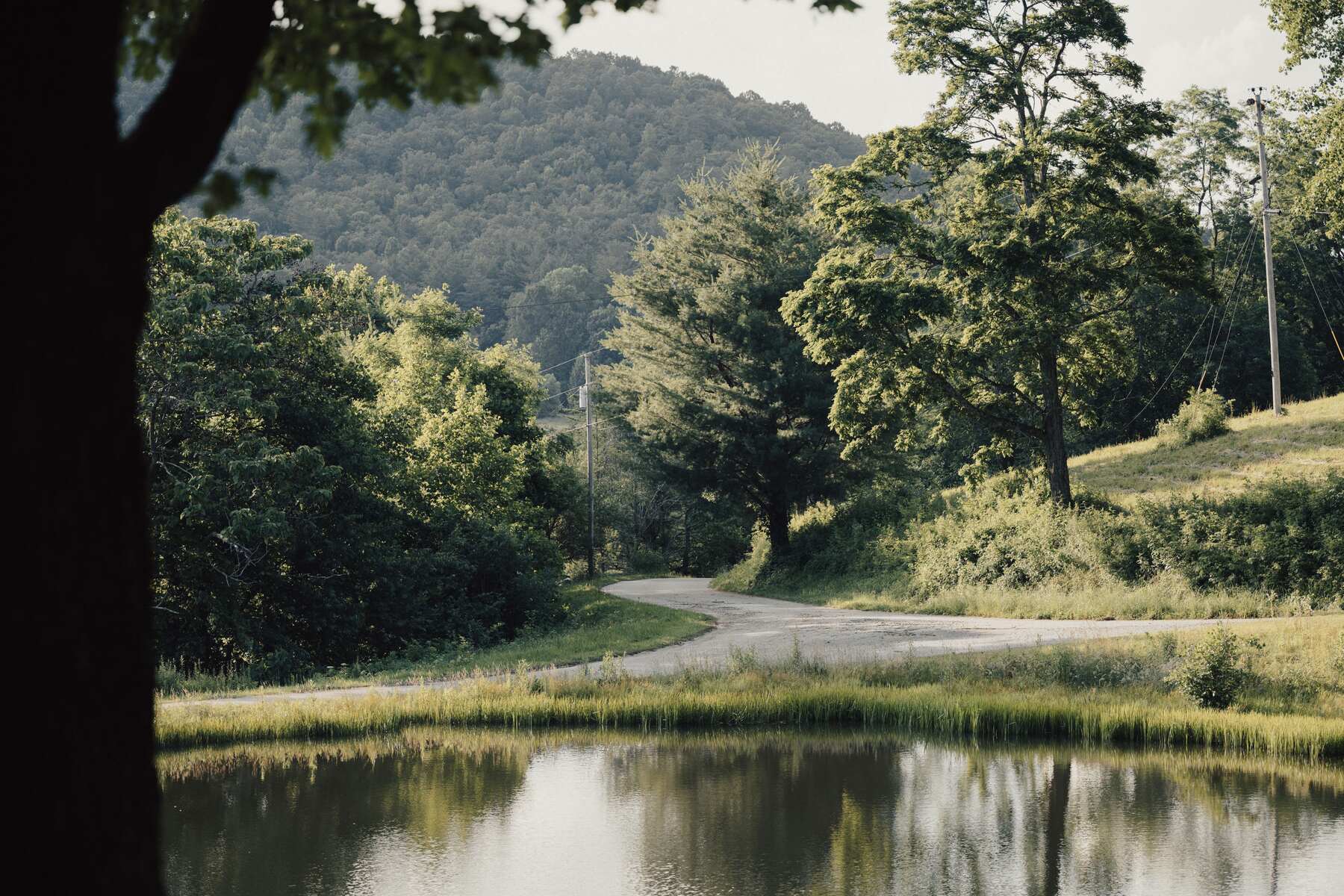
Wooded acreage with a creek, pond, or good deer and turkey habitat is in steady demand from hunting and fishing clubs. A recreational lease can run for a season or a full year, and many landowners split it among a small group of members who pay in together. In Sequatchie County and along the ridges around Dunlap, hunting leases are common enough that local sporting clubs actively look for new ground each fall. Allowing ATV or horseback access, within reason, widens the pool of interested lessees and can support a stronger rate.
Put Farmland and Timber to Work
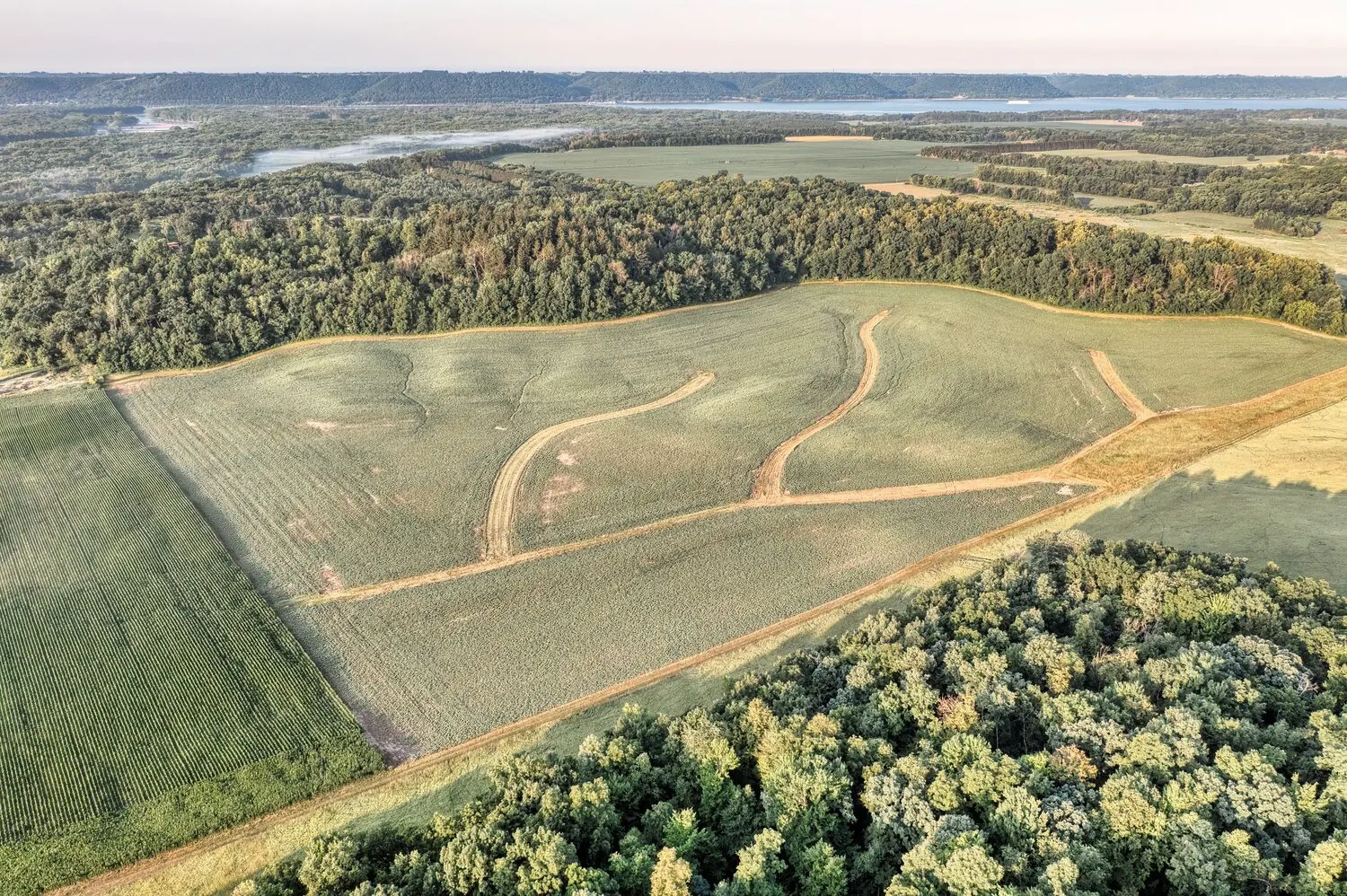
If your land has open pasture or row-crop-ready soil, a cash lease to a working farmer is one of the simplest ways to generate income with almost no labor on your part. Timber is the other classic option: a mature stand can be selectively harvested on a schedule that keeps the land productive for decades instead of clear-cut all at once. Some tracts also qualify for conservation or agricultural assistance programs, which can lower your carrying costs while the land is leased out.
Consider a Solar Lease
Land with strong, unobstructed sun exposure and reasonable proximity to the grid has become a target for solar developers looking to lease large parcels for long terms, often twenty years or more. Rates vary widely by acreage, grid access, and utility demand in your specific county, so any real number needs to come from a developer’s site assessment rather than a rule of thumb. It is worth getting your land evaluated if it sits along a stretch with existing transmission lines.
Billboard and Right-of-Way Income
If your property borders a major highway or interstate, an advertising company may be interested in leasing a small strip for a billboard. Local signage ordinances vary by county and city, so this only works where the zoning allows it, but where it does, it is close to passive income once the structure is up.
Match the Idea to Where Your Land Sits
The best income strategy changes a lot depending on which of our four regions your land is in. In North Georgia, mountain counties like Fannin and Gilmer see steady interest in recreational and hunting leases because of the terrain and tree cover. In the Knoxville area, tracts near Tellico Lake or the Cumberland Plateau foothills tend to draw recreational and hunting interest similar to Sequatchie County. Closer to Nashville, row-crop and hay leases are more common on the flatter ground in counties like Rutherford and Wilson. None of this is a hard rule, since two tracts in the same county can have very different features, but it is worth thinking regionally before you assume one income idea applies everywhere.
Start With an Honest Look at the Land
Before you commit to any income strategy, walk the property with a clear list of its actual features: tree cover, water, slope, road frontage, and sun exposure. A tract that looks perfect for a hunting lease on paper might be too small or too close to neighbors to actually work. One that looks ideal for solar might have shade issues or grid access problems that only show up once a developer looks closely. Matching the plan to the land, rather than the other way around, is what keeps these income ideas realistic instead of speculative.
Let the Land Pay While You Plan
None of these options require you to build first. That is the appeal: a lease can offset your taxes and carrying costs for years while you decide whether the land becomes a homestead, a retirement property, or something you hold and eventually sell. If you are shopping for land with this kind of flexibility in mind, our land listings across all four regions include acreage with real lease potential, from Hamilton County pasture to wooded tracts in North Georgia.
The right income strategy depends entirely on your specific tract, so before you sign any lease, talk to someone who knows the local zoning, easements, and lease market for your county. That is exactly the groundwork a Geoff & Geoff land specialist walks through with every seller and buyer.