
Land Improvement
Turn Your Land into a Wildlife Habitat
Food, water, and shelter: the three things that bring wildlife back to a property.
Read the article →The four things worth planning before you dig, from siting to what you'll need to keep it healthy year-round.
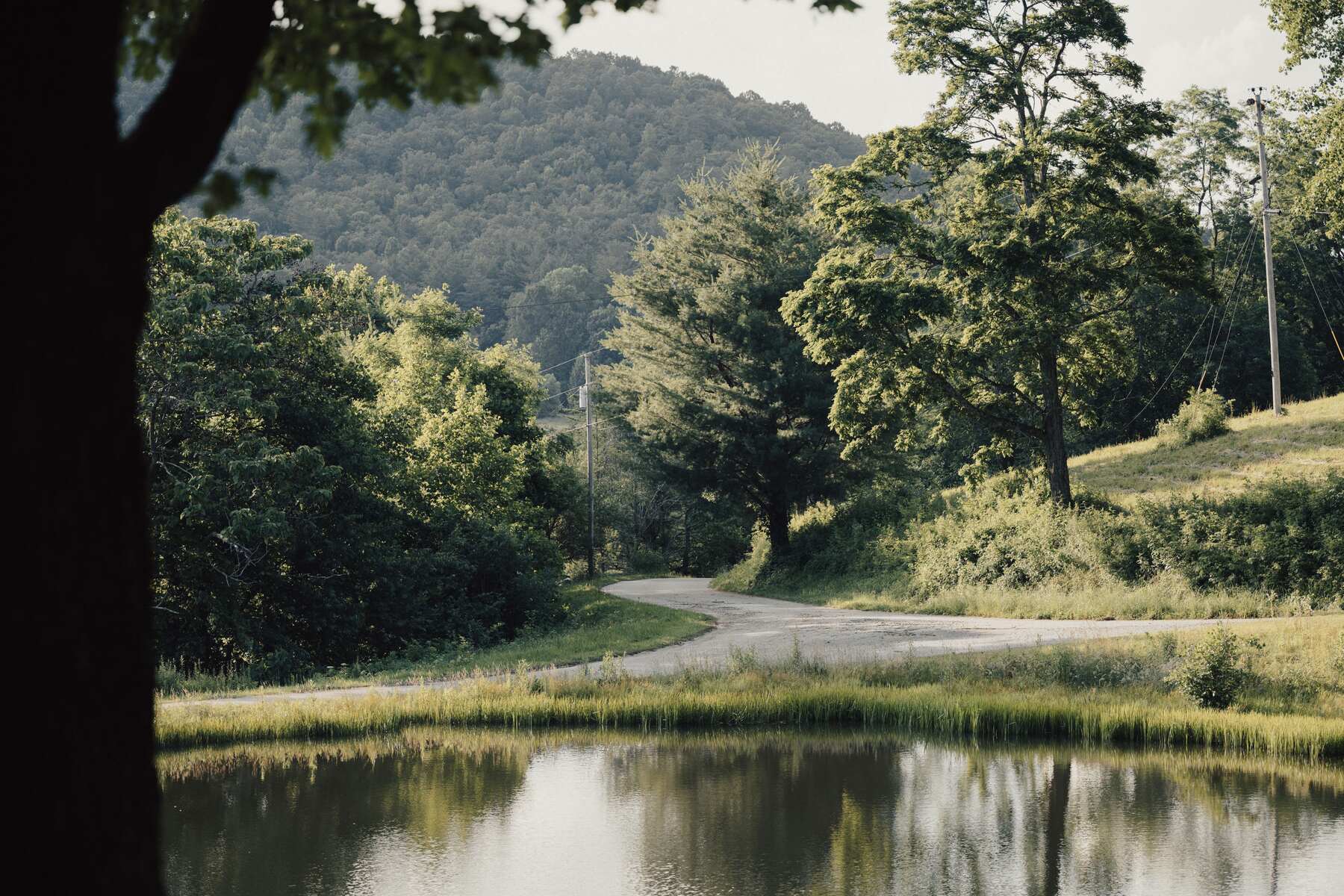
Building a pond on your property starts with picking a level site with natural drainage, sizing it for what you actually want to keep in it, planning for aeration or filtration if you are adding fish, and having a maintenance routine ready before the water goes in. None of it requires heavy engineering for a typical backyard or farm pond, it just requires planning each of those four pieces before you break ground.
Look for a naturally level area of the property first. Water finds its own level, so if the ground slopes noticeably, the pond will look uneven, rising nearly to the bank on the low side while barely reaching the high side. Also plan for where overflow goes during heavy rain. A pond without a planned spillover point will eventually carve its own path, usually somewhere you did not want it to go.
Depth depends on what is going to live in the pond. A decorative pond with no fish can stay shallow. A pond meant to keep fish through a Tennessee or Georgia winter needs enough depth for them to stay below the freeze line. Once you know the depth and the footprint you want, a pond liner kit sized to those dimensions is the simplest starting point for a first pond, and most kits include the components in the right proportions already.
A moving water feature, even a small waterfall, keeps a pond oxygenated, which matters even more once fish are involved. Moving water also helps keep algae and unwanted growth in check. If a waterfall is not part of the plan, budget for a filter instead; a simple floating filter or a regular manual skim is enough for a small pond. If you are stocking fish like koi, keep the population modest. More fish means more waste, and overcrowding is one of the fastest ways to foul a small pond's water.
Every pond needs some upkeep, and most of it is easier if you plan for it before the water goes in. A metal mesh barrier under the liner keeps burrowing animals from working their way through it. The right mix of aquatic plants helps keep algae in check naturally. And when cold weather hits, keeping the water moving, even a little, helps prevent a full freeze-over that can stress fish and damage equipment.
Before any digging starts, check whether your county requires a permit for a pond of the size you are planning, and confirm the exact property lines if the pond will sit anywhere near a boundary. Some counties also regulate ponds that connect to or divert a natural stream, since altering a waterway can affect a neighboring property's water rights. A quick call to the local building or planning department settles this before it becomes a problem, and it is a step worth taking even on a small backyard-scale pond.
A well-placed pond adds real appeal to a property, whether it is a working farm pond outside Dayton and Rhea County, a wildlife-friendly water feature on wooded acreage near Knoxville, or a garden feature on a smaller acreage tract closer to town. It also tends to hold real value at resale, since a healthy, well-maintained pond signals a property that has been cared for. If you are shopping for land with the right natural drainage and topography for a pond, that is exactly the kind of detail our land team can help you evaluate before you buy, alongside everything else that makes a tract usable for what you actually want to do with it.
If a property you are considering already has a pond on it, it is worth having it evaluated rather than taking its condition at face value. A neglected liner, a clogged spillway, or years of unmanaged algae can mean real repair costs down the road, while a well-maintained older pond can be a genuine asset that saves you the work of building one from scratch. Either way, factor the pond into your evaluation of the property the same way you would a well, a barn, or any other feature that adds real value.
Food, water, and shelter: the three things that bring wildlife back to a property.
Read the article →
What to check on a property, from access to septic, before you make an offer.
Read the article →
Getting real production out of a small-acreage homestead.
Read the article →Whether it's a pond, a garden, or a small barn, we'll help you find acreage with the right natural features to build on.
Talk to a Geoff