Land Improvement
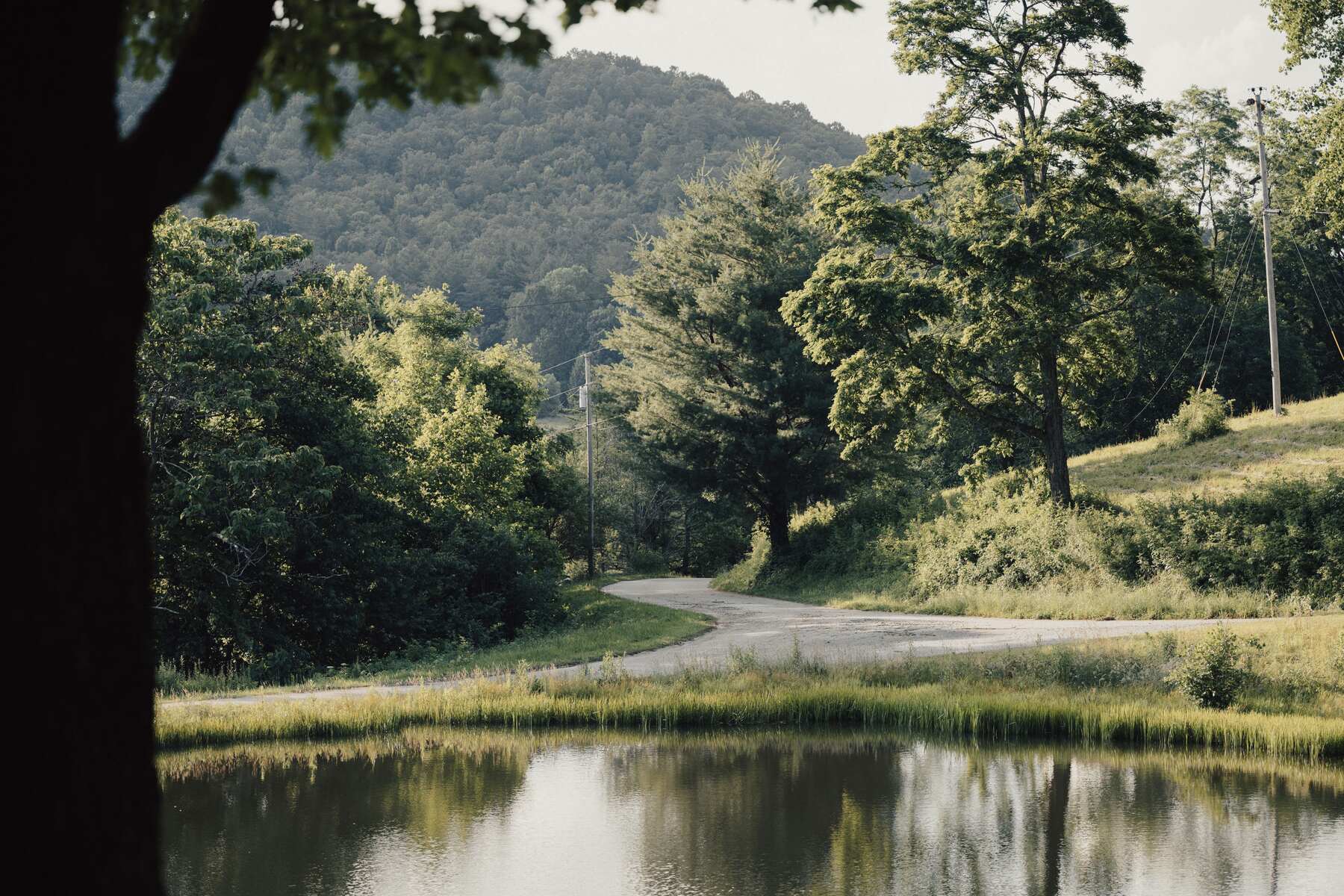
How to Build a Pond on Your Property
The four things worth planning before you dig a farm or garden pond.
Read the article →Three things every property needs to attract and hold wildlife: food, water, and shelter.

Turning a piece of land into a real wildlife habitat comes down to three things, planting for food, adding a water source, and providing shelter, in that order of impact. Get those three elements established and birds, pollinators, and small game start showing up on their own, no elaborate landscaping required.
Native plants do more for local wildlife than almost anything else you can add to a property, because the birds, insects, and animals in the area have adapted to them over a very long time. Choose native species that produce fruit, berries, seeds, or nuts, and mix in flowering plants that pull in butterflies, hummingbirds, and native bees. Something blooming across every season keeps the food source going year-round instead of just in spring. A county extension office or local native plant nursery can point you toward what actually grows well on your specific tract, since it varies across our region, from the mountain soil around Blue Ridge and Ellijay to the flatter ground outside Nashville.
Water is often the missing piece on a property that otherwise has decent cover. A birdbath or a couple of shallow water dishes is enough to make a real difference for birds and smaller animals. A small pond takes it further, adding habitat for frogs and aquatic insects alongside a good-looking feature on the property; see our companion guide on building a pond if that is part of the plan. If you are already thinking through land improvements, food and water sources are worth planning together.
Wildlife needs somewhere to nest and hide, not just somewhere to eat and drink. Birdhouses and feeders encourage nesting activity. Simple bat boxes mounted on mature trees give bats a place to roost during the day. Even something as basic as an overturned container with a cut-out entry works as shelter for toads. The single best thing most properties already have, though, is mature trees. A stand of healthy hardwoods and evergreens is natural housing for squirrels, songbirds, and insects, and it is worth protecting existing tree cover on a property rather than clearing more than you need to.
The most common misstep is over-clearing a property before thinking through what wildlife actually needs. Bare, mowed acreage looks tidy but offers almost nothing in the way of food or shelter. Leaving brush piles, standing dead trees where it is safe to do so, and unmowed field edges does more for habitat value than any amount of purchased plants or feeders. Another common mistake is relying only on non-native ornamental plants, which can look attractive in a yard but provide little real food value for local wildlife compared to native species suited to the same spot.
This kind of habitat work looks a little different depending on where a property sits in our footprint. Wooded acreage in the hunting-land counties around Chattooga County and the Cumberland Plateau near Knoxville already has strong natural cover and mostly just needs food and water added. More open farmland outside Nashville or in Cherokee County, Georgia benefits more from deliberate native plantings and a water feature, since the existing cover is thinner. Either way, the land itself is the starting point, and it is worth choosing acreage with wildlife goals in mind from the very beginning, rather than trying to force habitat onto a property that was not suited for it.
For buyers whose interest in wildlife habitat is really about building better hunting ground, the same fundamentals apply, just with an eye toward the species you are after. Food plots, mineral sites, and strategic clearings that create natural travel corridors work alongside the native planting and water principles above. If that is the goal, it is worth telling your agent up front, since it changes what kind of acreage and existing tree cover is actually worth prioritizing on a tour.
A habitat takes real time to mature, native plantings often need a full season or two before they establish, and animals need time to discover and trust a new food or water source before they visit regularly. Treat the first year as an establishment year rather than expecting a finished sanctuary right away, and keep a simple log of what you plant and where. It makes it much easier to see what is actually working on your specific piece of ground.
The four things worth planning before you dig a farm or garden pond.
Read the article →
Hunting leases, ag leases, and other ways Tennessee land can produce income while you own it.
Read the article →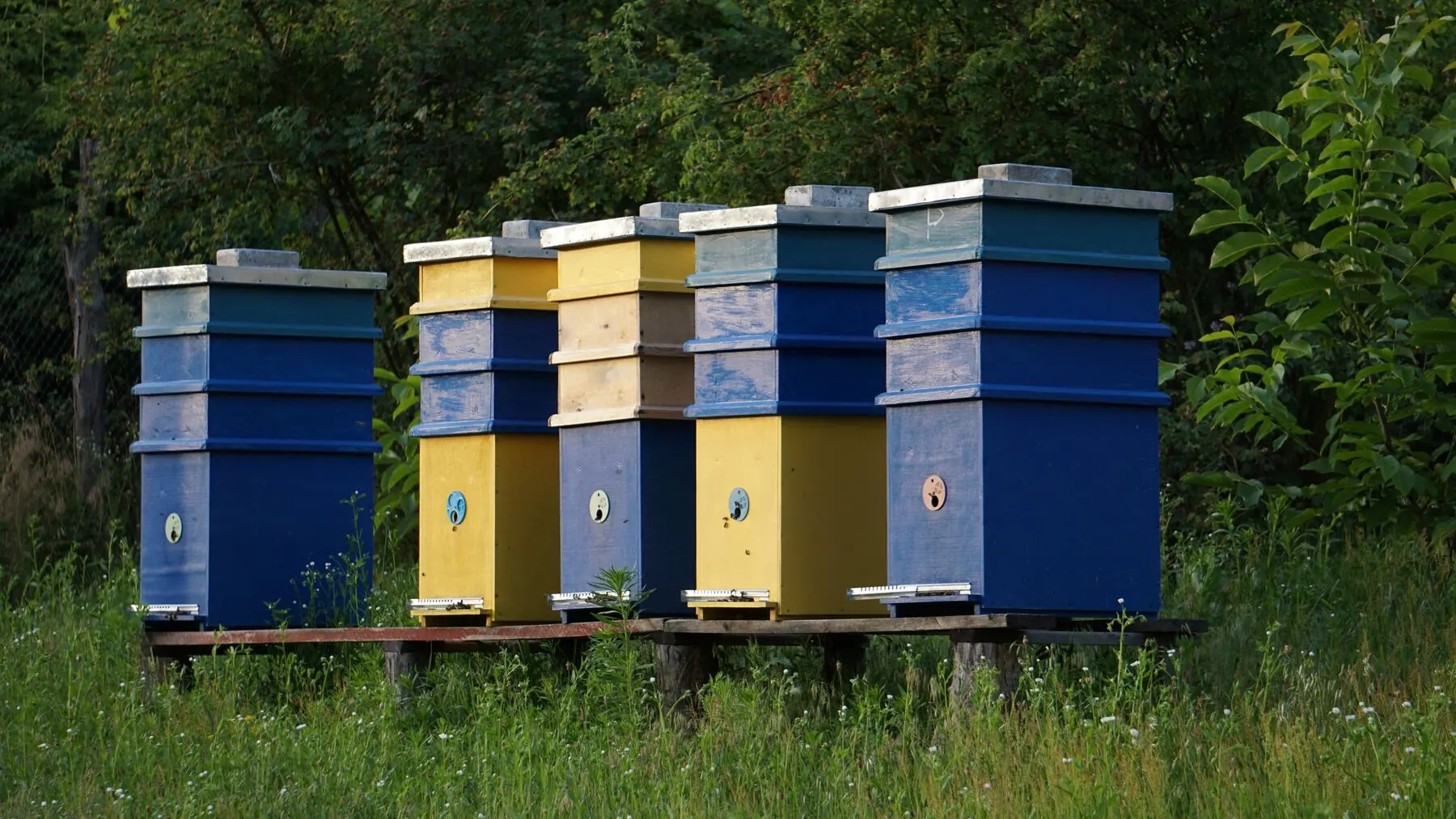
The safest, slowest path into beekeeping, and why it beats a hive kit and a video.
Read the article →We'll help you find land with the tree cover, water access, and open ground to build a real habitat on.
Talk to a Geoff