Running a mini farm on just a few acres is realistic for most landowners, as long as you start with a clear goal and match your plans to what the land and local zoning actually allow. Whether you are homesteading for your own family or building toward a small commercial operation, here is how to set it up right.
Decide What Success Looks Like
Before you plant anything, get clear on whether your mini farm is meant to turn a profit, support your family’s food needs, or simply be a hobby you enjoy. That answer shapes everything downstream, from how much land you need to whether you need to check into commercial permits with your county. Beginning farmers, even hobbyists, can benefit from USDA resources like crop insurance and conservation program guidance, regardless of the scale they are working at.
Size the farm to the goal, not the other way around. A family aiming to feed itself and sell a modest surplus can usually do that comfortably on two to five acres. A hobby operation built around a specific interest, like a small orchard or a handful of dairy goats, may need more room depending on the animal or crop involved. Trying to do too much on too little ground is one of the most common ways new mini farmers burn out in the first year or two.
Choosing Crops That Actually Work Here
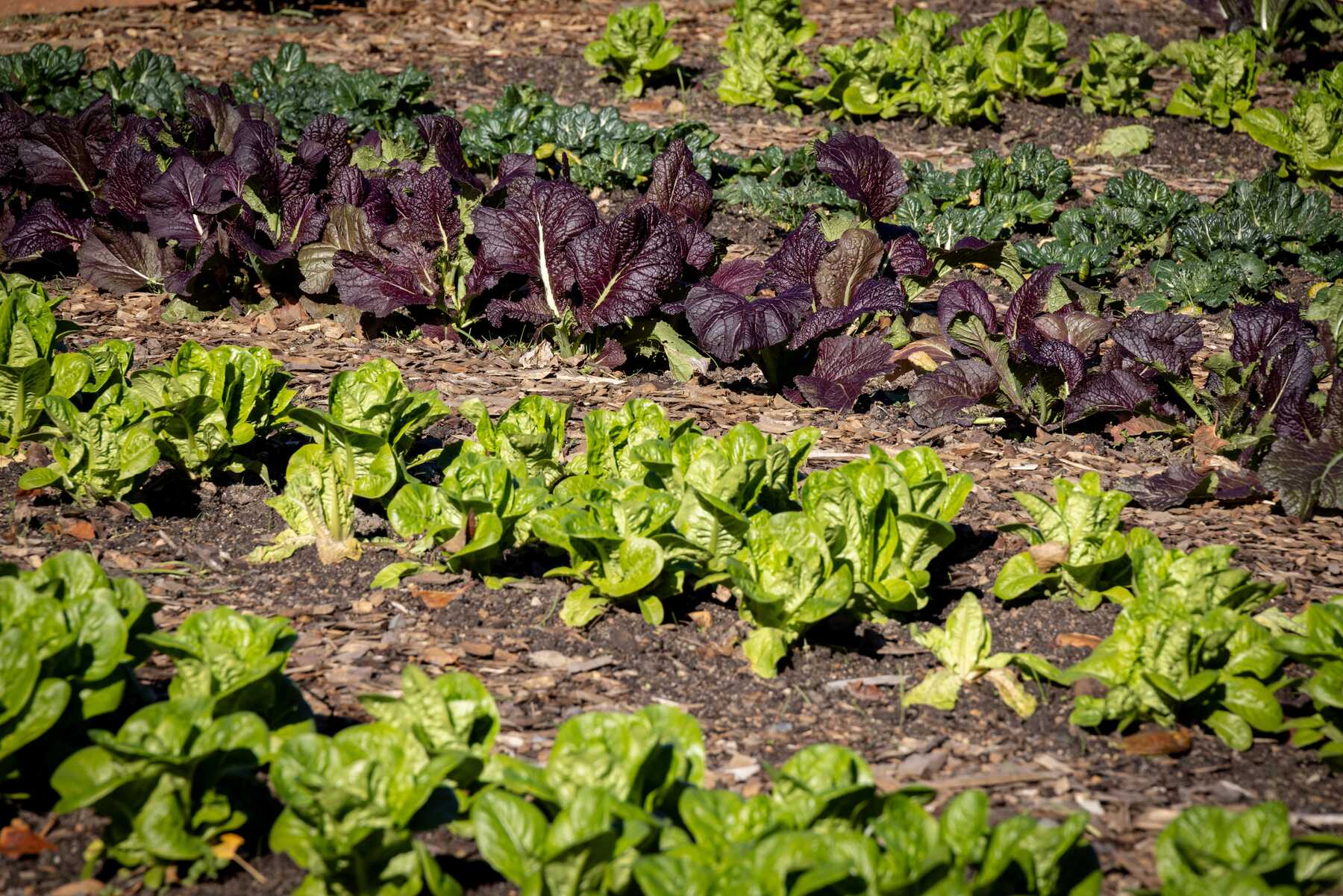
The Southeast’s growing season supports a wide range of crops if you plant with the calendar in mind. Warm-season staples like tomatoes, beans, sweet peppers, sweet corn, cucumbers, and okra do well through the summer months, while cool-season crops like potatoes, broccoli, cabbage, kale, and spinach fill out spring and fall plantings. Fruit trees including apple, pear, peach, and plum grow well across most of our four regions, and mushrooms can be grown commercially on a surprisingly small footprint if you have the right shaded space.
Understand the Tax Side Early
If your mini farm generates any income, even modest egg or produce sales, it is worth understanding how farm income is treated differently from a pure hobby for tax purposes. Farm-related expenses like feed, fertilizer, seed, equipment repairs, and insurance can potentially be deducted if the operation is run as a business rather than a hobby. Keep your receipts and records organized from day one; sorting through a shoebox of paperwork at tax time is a bad way to discover you were missing documentation.
Making the Farm Pay a Little
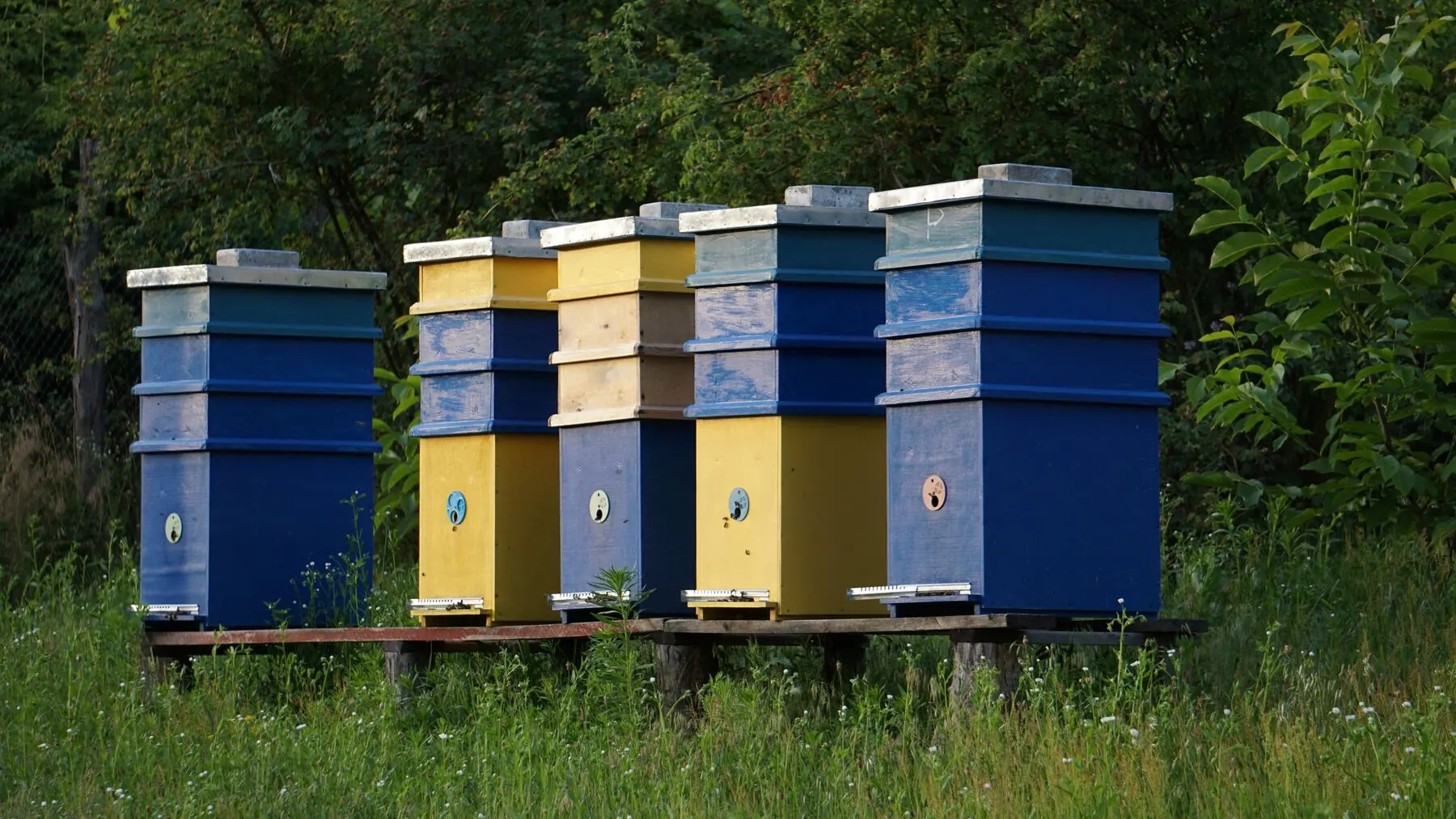
Once the farm is established, small income streams add up. Surplus eggs, extra garden produce, or seasonal fruit can all be sold locally, whether through a farmers market, a roadside stand, or word of mouth. None of this needs to be large scale to be worthwhile. The point of a mini farm is usually balance, not maximum yield.
Livestock on a Few Acres
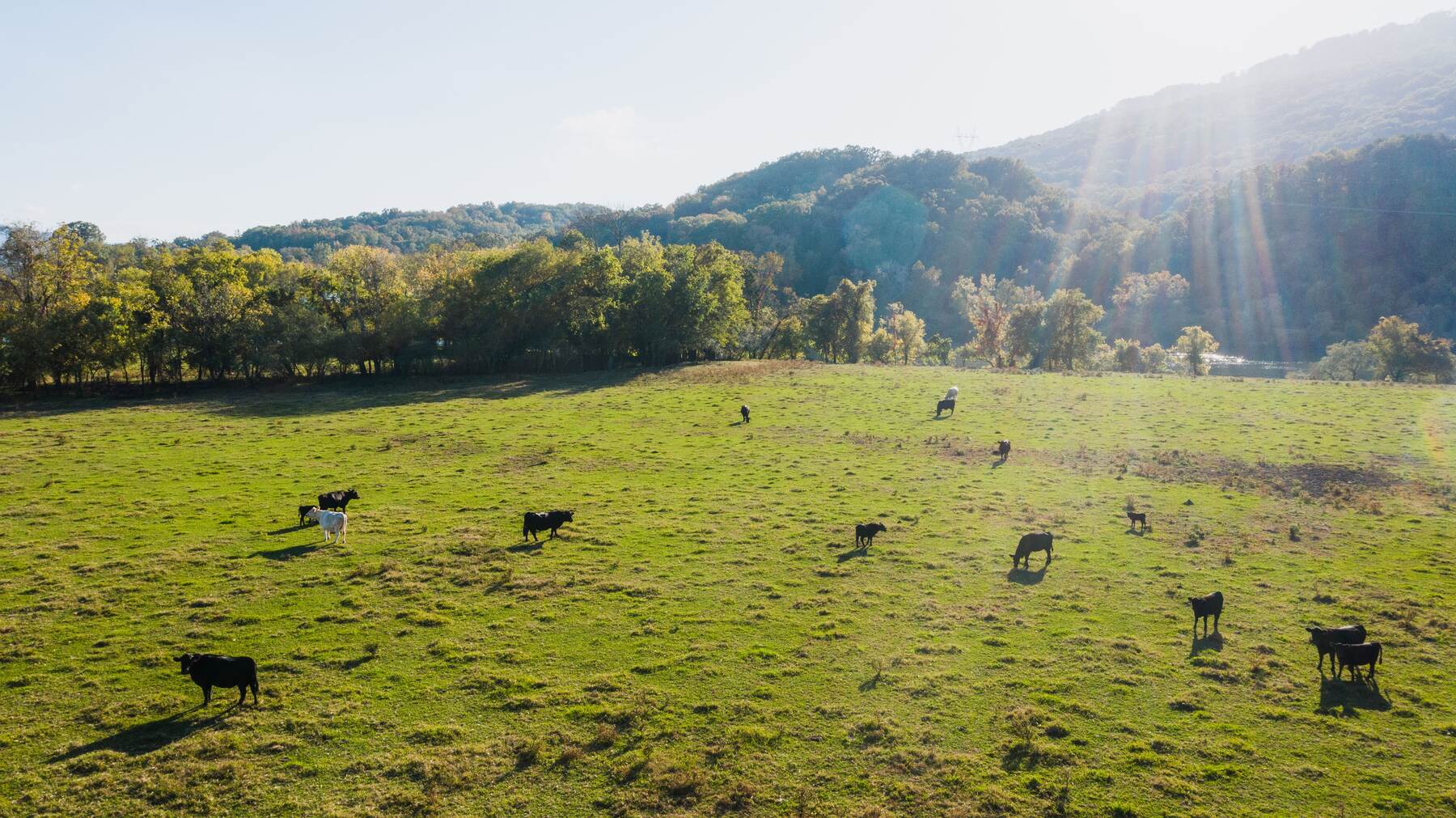
Chickens, goats, and even a small number of sheep or cattle can work on a modest footprint if the fencing and shelter are set up properly from the start. Chickens need the least space and infrastructure, making them a common first step for new mini farmers. Goats and larger livestock require more fencing, rotational grazing planning, and county-specific rules around setback distances from property lines, so check with your local zoning office before you commit to a specific animal. Overstocking a small pasture is one of the most common mistakes new mini farmers make, since it wears out the land faster than it can recover.
Start with fewer animals than you think you want. It is much easier to add a second goat or another few hens once you know the workload than it is to scale back after overcommitting, and the land itself will tell you fairly quickly whether it can support more than what you started with.
Finding the Right Few Acres
Not every parcel is equally suited to this. Look for usable, relatively flat acreage with decent soil and, ideally, existing fencing or outbuildings, since building all of that from scratch adds real cost. Land around Monroe County in East Tennessee has drawn a number of small-scale farm buyers for exactly this combination of workable soil and reasonable price. Our Monroe County land listings are a good starting point if that kind of acreage fits what you are picturing.
A mini farm does not need to be complicated to be worthwhile. Set a clear goal, plant with the season, keep your paperwork straight, and let it grow at its own pace.