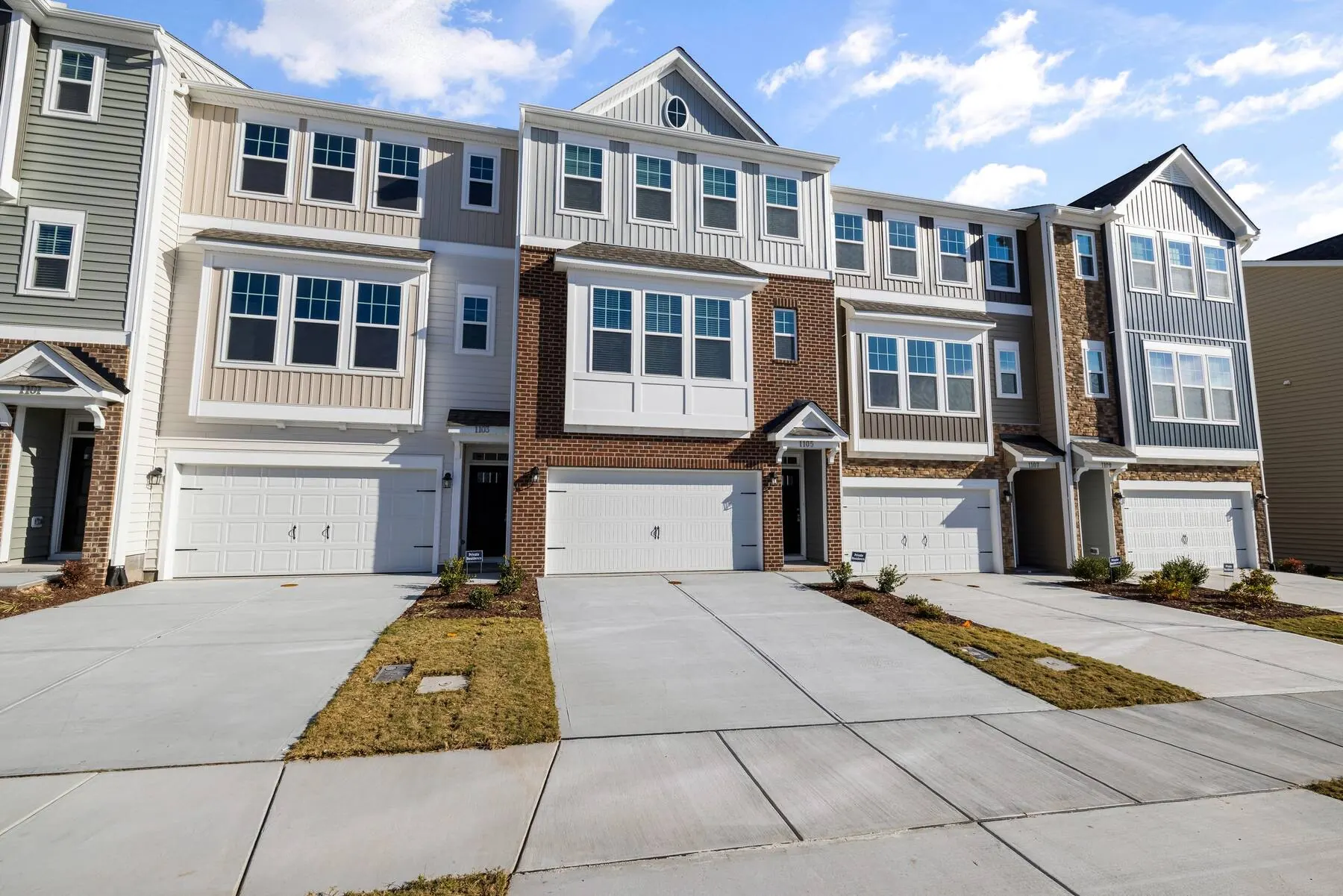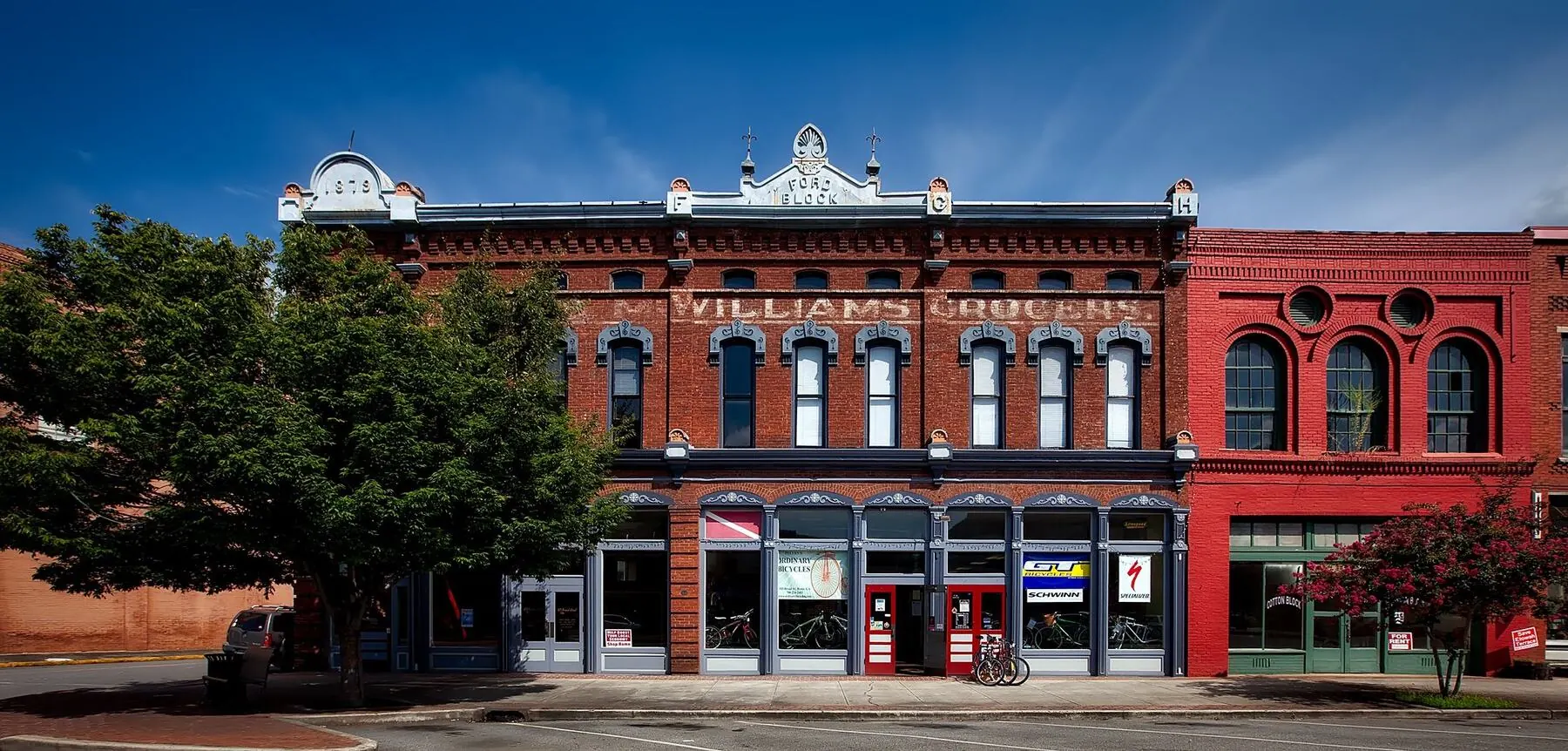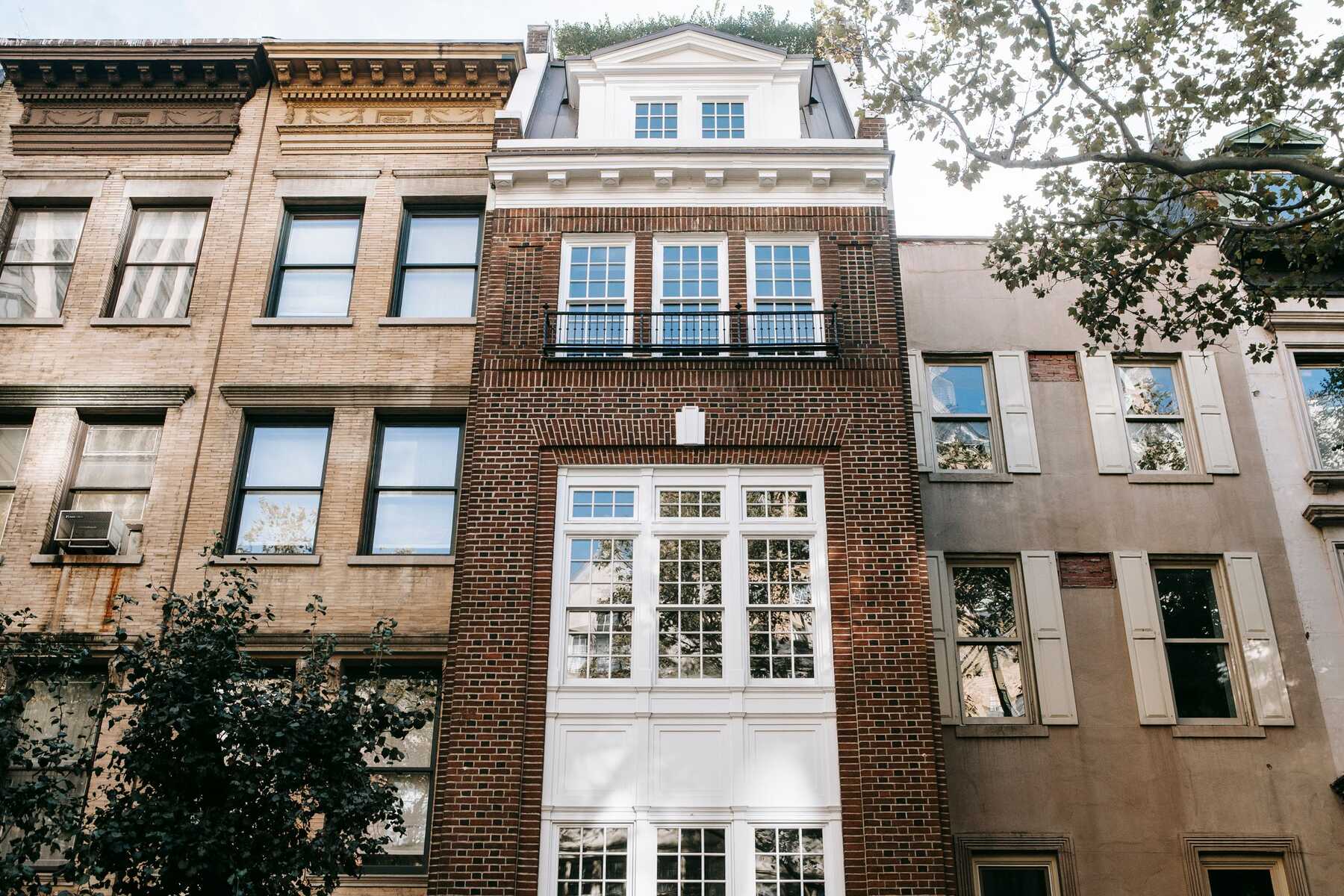
A good Chattanooga rental is one where the rent covers the mortgage, taxes, insurance, repairs, and a cushion for vacancy, and still leaves you something each month. Getting there means deciding what kind of rental you want to own, running honest numbers before you fall for a property, choosing financing that fits the number of units, and checking the local rules on short-term rentals and landlord duties before you close.
Decide What Kind of Rental You Want to Own
Rentals are not one thing. A single-family house rented long term is the simplest to buy, finance, and resell. A duplex, triplex, or fourplex spreads your risk across several tenants, so one vacancy does not wipe out the month. Buildings of five or more units are run more like a business and are valued mostly on the income they produce. Short-term vacation rentals can bring in more per night, but they take more work, more furnishing, and more regulation.
Chattanooga offers all of these, from older homes in established neighborhoods near downtown, to newer suburbs in Hixson, Ooltewah, and East Brainerd, to North Georgia towns like Fort Oglethorpe and Ringgold just across the state line. Each draws a different kind of tenant, so start with who you want to rent to.
Run the Numbers Before You Fall for the Property
Start with a realistic rent, based on what similar rentals nearby actually lease for, not the highest asking rent you can find online. Then subtract everything the property costs to own:
- Mortgage payment, principal and interest.
- Property taxes. Tennessee assesses residential property at 25 percent of its appraised value, then applies the local tax rate. Inside the City of Chattanooga you pay both city and Hamilton County tax.
- Landlord insurance, which is a different policy from a homeowner’s policy.
- Vacancy. Plan for some empty weeks between tenants every year.
- Repairs and big replacements. Set money aside every month for the roof, HVAC system, and water heater, not just small fixes.
- Management, if you hire a property manager instead of taking the calls yourself.
- HOA dues, if any, and any utilities you cover.
What is left is your cash flow. Investors also look at the cap rate, which is the property’s yearly income after expenses but before the mortgage, divided by the price. It lets you compare properties fairly regardless of how each one is financed.
Financing Changes With the Number of Units
Loans for an investment property usually need a larger down payment and carry a higher rate than a loan for a home you live in. A property with two to four units still counts as residential, though, and if you live in one of the units yourself, owner-occupant loans, including FHA loans, can apply. That approach, often called house hacking, is one of the most common ways people buy their first rental.
Five or more units moves you into commercial lending, where the lender looks mostly at the building’s income rather than your personal income. Talk to a lender early, because the loan type shapes which properties make sense.
Check the Short-Term Rental Rules First
If you are buying with a vacation rental in mind, check the rules before you make an offer. The City of Chattanooga requires a permit for short-term vacation rentals and limits where non-owner-occupied ones are allowed, and the surrounding counties and towns set their own rules. Many HOAs ban short-term rentals outright. A property that only works as an Airbnb is a risky buy if that use is not allowed at the address.
Know Your Duties as a Landlord
Tennessee’s Uniform Residential Landlord and Tenant Act applies in Hamilton County and other larger counties, and it sets rules for security deposits, notices, entry, and repairs. Georgia has its own statewide landlord-tenant law, including rules on how security deposits are held and returned. Use a written lease that fits the state the property is in, and have a real estate attorney review it.
Tennessee or Georgia?
Because Chattanooga sits on the state line, many investors look on both sides. One difference worth knowing: Tennessee has no personal income tax, while Georgia taxes income, including rental income. Property taxes, insurance, and rents also differ from county to county, so compare the whole picture, and talk to a tax adviser about how your rental income will be taxed. If you ever sell one rental to buy another, a 1031 exchange may let you defer the capital gains tax.
Why the Right Agent Matters
The best rental deals are often older properties that need some work, and judging them takes someone who has seen hundreds of homes up close. Geoff Ramsey, CRS, GRI, brings that residential experience, and Geoff Hurdle adds a land specialist’s eye for property held for the long run. Together they help investors compare rent, condition, and the real numbers, not just curb appeal. See how the team works with investment property, or tell us what you are looking for.
Common Questions
What is a good cap rate for a rental property? There is no single number. Cap rates vary by neighborhood, property type, and condition, and lower cap rates usually come with lower risk. Compare a property against similar rentals that have recently sold in the same area.
Can I use an FHA loan to buy a rental property? Only if you live in it. FHA loans are for owner-occupants, but they can cover a two to four unit property where you live in one unit and rent out the others.
Do I need a permit for an Airbnb in Chattanooga? Yes. The City of Chattanooga requires a permit for short-term vacation rentals and limits where non-owner-occupied ones are allowed. Check the rules for the exact address, and any HOA restrictions, before you buy.