Homes
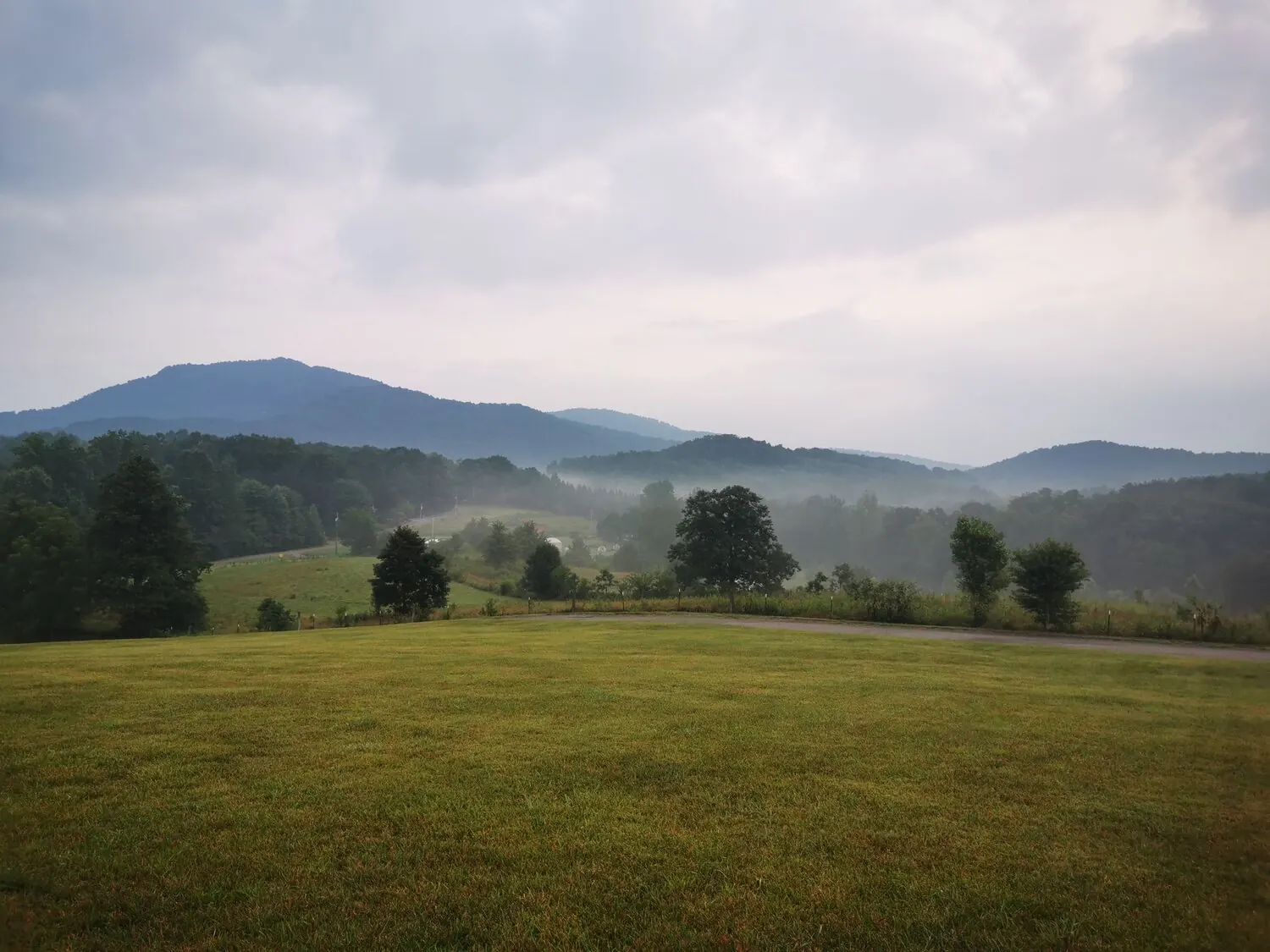
5 Reasons Why You Should Retire Rural
What draws retirees to quieter acreage outside Chattanooga and beyond.
Read the article →An honest look at what changes, for the better and the harder, when you trade a city block for open acreage.

Rural living trades a lower cost of living, more space, a tighter sense of community, and quieter days for a real tradeoff: fewer nearby services, longer drives for specialty shopping or healthcare, and a slower pace that some people love and others find takes real adjustment. Both sides are genuine, and which one wins out mostly depends on what you actually want your day-to-day life to look like.
Lower cost of living. Land and housing costs in rural areas typically run well below city and close-in suburban prices, and it often extends to everyday costs too. Local farms and farm stands frequently sell fresh produce for less than a city grocery store.
More space. Acreage gives you room a city lot or condo never will, space for a big garden, a workshop, a real yard, or eventually a small homestead. It is the difference between coaxing basil to grow on a windowsill and having actual room for pasture.
Community and privacy, both. Rural neighbors tend to have more time for each other, and you will likely get a wave and a genuine hello driving down a country road. At the same time, more distance between homes means you set the pace of how much you engage; plenty of privacy is available too, if that is what you want.
Health and quiet. Rural areas generally have cleaner air and considerably less noise pollution than dense urban areas, both of which research has tied to better physical and mental health outcomes.
Fresh food and outdoor access. Local farms, home gardens, and easy access to hiking, hunting, fishing, and just plain quiet outdoor space are part of daily life rather than an occasional weekend trip.
Fewer nearby services. The most consistent tradeoff of rural living is distance. Specialty shopping, a wider range of restaurants, and specialist healthcare are often a real drive away rather than a quick trip, and that is worth being honest with yourself about before you move, especially if ongoing medical care is a factor.
A slower pace takes adjustment. Rural culture runs slower and more relationship-driven than city life, which is a benefit for a lot of people, but it does mean learning a different, often unwritten set of local norms, and that takes a little time and patience.
More self-reliance required. Land ownership outside a city or subdivision often means handling your own well, septic, and sometimes internet setup rather than a utility company handling it for you. That is part of the appeal for some buyers and a genuine learning curve for others.
What rural living looks like varies across our footprint. Living outside Chattanooga or in the mountain counties of North Georgia around Blue Ridge and Ellijay means real distance and real privacy, with a longer drive into town for specialty errands. Land closer to the growth corridors just outside Nashville, in counties like Wilson and Rutherford, gives you rural space with a shorter commute back to a metro area, a middle ground that works well for buyers who want both.
People who work remotely, are semi-retired or fully retired, or run a business that does not depend on daily foot traffic tend to adjust to rural living the fastest, since the distance to services matters less when you are not commuting through it every day. Families with school-age kids do well too, once they settle into a school district and the slower community rhythm. The buyers who struggle most are usually those who need frequent, specialized medical care nearby, or whose work truly requires being close to a downtown core five days a week. Neither situation rules out rural land entirely, it just means paying closer attention to exactly how far a specific property sits from what you actually need on a regular basis.
The honest answer is that rural living rewards people who value space, quiet, and community over convenience, and are willing to trade some of the second for more of the first. If you are weighing that tradeoff for a specific area, our team based in Chattanooga can walk you through what day-to-day life actually looks like in the part of our four-region footprint you are considering, not just the sales pitch version.
What draws retirees to quieter acreage outside Chattanooga and beyond.
Read the article →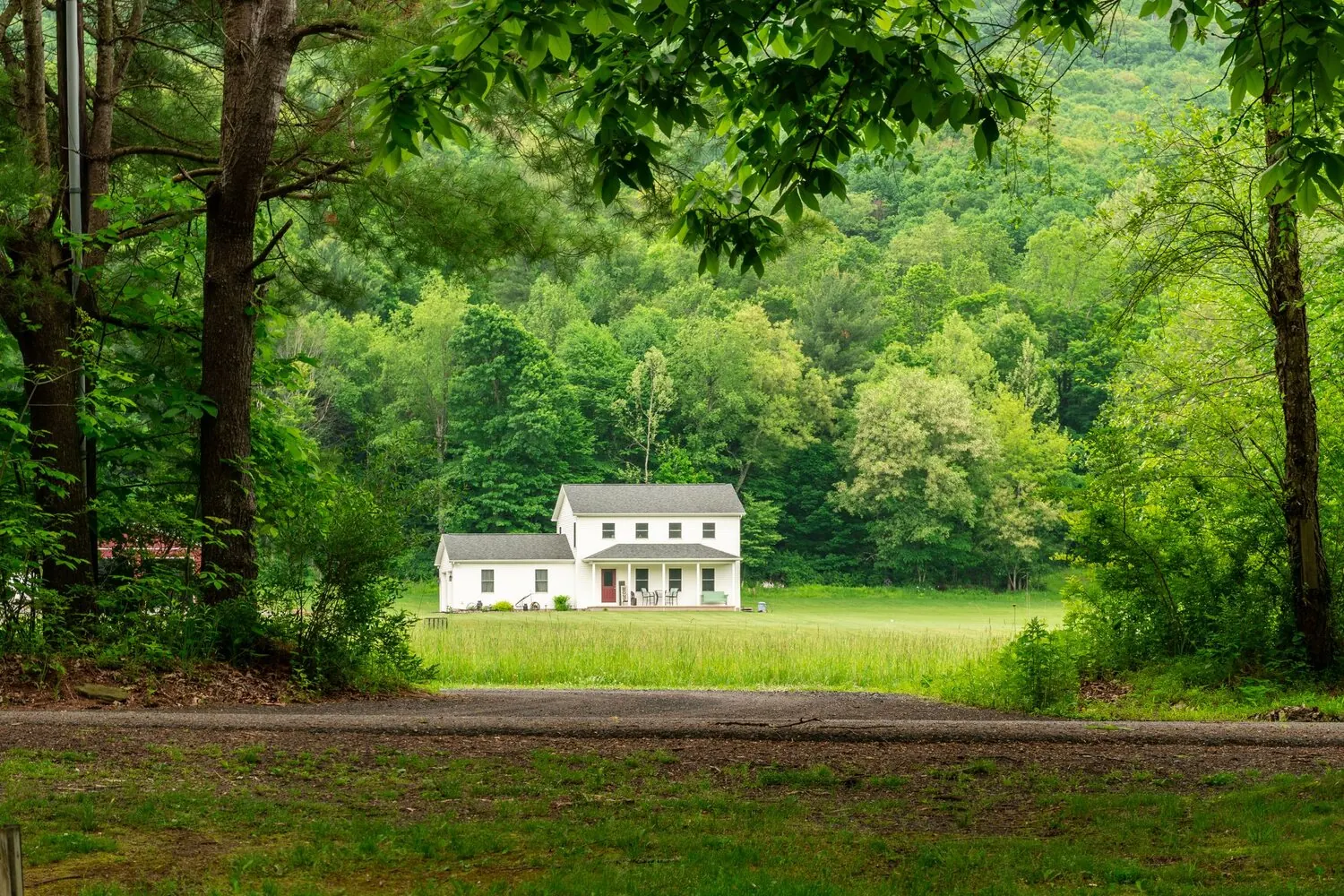
What ownership builds over time that renting simply cannot.
Read the article →
The land, soil, and income decisions to get right before you plant a single seed.
Read the article →Let's talk through what daily life actually looks like in the part of our four-region footprint you're considering.
Talk to a Geoff