Homesteading
How to Start a Small Farm
The biggest early challenges new farm owners hit, and practical fixes for each.
Read the article →The three decisions that matter most before you plant a single seed or buy a single animal.

Homesteading for beginners comes down to three decisions, tackled in the right order: buy the right piece of land, get the soil ready before you plant anything, and keep a steady paycheck coming in until the homestead can carry its own weight. Get those three right and the rest, the garden, the animals, the canning, the woodpile, falls into place a lot faster than most new homesteaders expect.
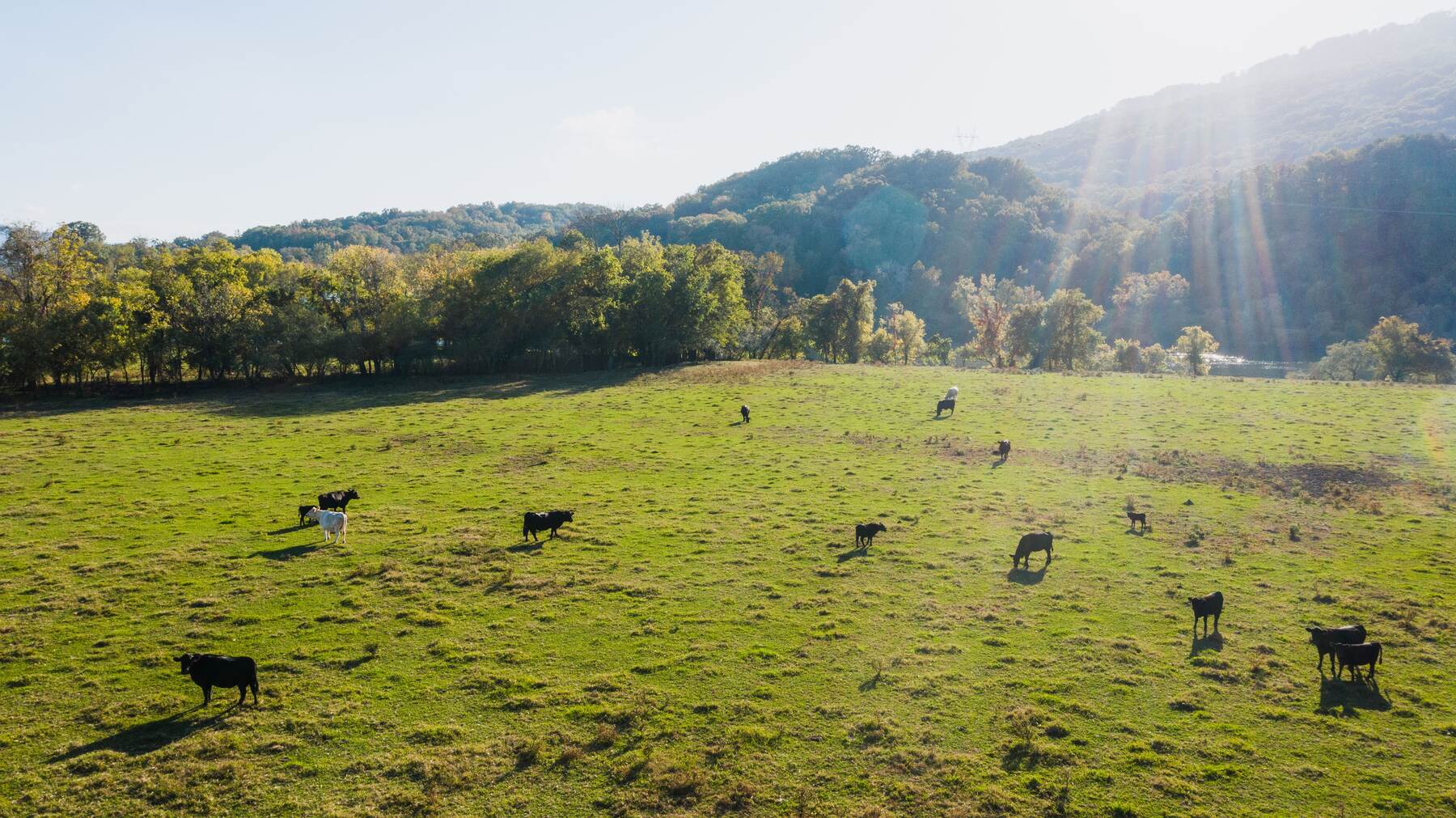
You cannot homestead without land, so this is where the real planning starts. Decide how many acres you actually need before you start touring properties. A big vegetable garden and a few raised beds might only need a half acre of usable ground, but if you are picturing goats, chickens, or a milk cow, budget real square footage for each animal plus a structure to shelter them from weather. Fully grown cattle need noticeably more room than a flock of hens, so settle on what you want to raise before you settle on acreage.
Zoning and county rules matter here too. What is allowed for backyard poultry in one county can be restricted a few miles away, so check the local rules on livestock, wells, and septic before you fall in love with a piece of ground. Across our four regions this looks different county to county: land in Sequatchie County outside Chattanooga tends to run larger and more private, good for a full working homestead, while smaller acreage parcels around Cherokee County, Georgia give beginners an easier, closer-to-town entry point. Our land team can walk you through what is realistic for your budget and your homesteading plans before you make an offer.
Good soil is the foundation of a productive homestead, and it is worth testing before you dig. Basic soil test kits are available at most hardware and garden stores, and a state extension office can often run a more detailed test for a small fee. Once you know what you are working with, clear the planting area of rocks, weeds, and debris, turn the soil down about eight inches, and work in compost suited to what the test recommends. Let the soil warm before you plant. Skipping this step is one of the most common reasons a first garden underperforms.
Plenty of new homesteaders dream about walking away from a desk job to live entirely off what they grow. It is a good goal, but it rarely works on day one. Building a garden that reliably feeds a family, and animals that reliably produce, takes at least a full growing season, usually more, and there is a real learning curve involved along the way. If you are carrying meaningful debt, keep your income steady until the homestead is actually producing. Treat the first year as the learning year, not the payoff year.
New homesteaders often buy land first and figure out livestock second, which usually costs more in the long run. Chickens are the easiest starting point for most beginners: low space requirements, a short learning curve, and a fast payoff in eggs. Goats need secure fencing and more attention to their diet than most people expect going in. A milk cow is a bigger commitment still, real acreage for grazing, a shelter built to handle winter weather, and a daily milking routine that does not take days off. Working backward from the animals you actually want, rather than buying acreage first and deciding later, tends to save both money and frustration.
Wherever you land in our footprint, from the ridges around Chattanooga to the mountain counties of North Georgia to the farmland outside Nashville, the fundamentals above hold true. What changes is the acreage available, the price per acre, and the local rules. Land around Bradley County and Cleveland tends to offer a middle ground of price and usable pasture for a first homestead, while acreage farther out toward Sequatchie and Marion counties trades a longer drive for more privacy and typically more land per dollar. Wherever you land, that is exactly the kind of groundwork our team can help with before you buy.
Does the property have a reliable water source, either a working well or a spot suited for one? Is the ground level enough, or gently sloped enough, for a garden and outbuildings without major grading? Are there existing structures worth keeping, or is everything being built from scratch? None of these questions have a wrong answer, but they change the budget and the timeline significantly, and they are worth working through with an agent who understands land, not just houses, before you sign anything.
The biggest early challenges new farm owners hit, and practical fixes for each.
Read the article →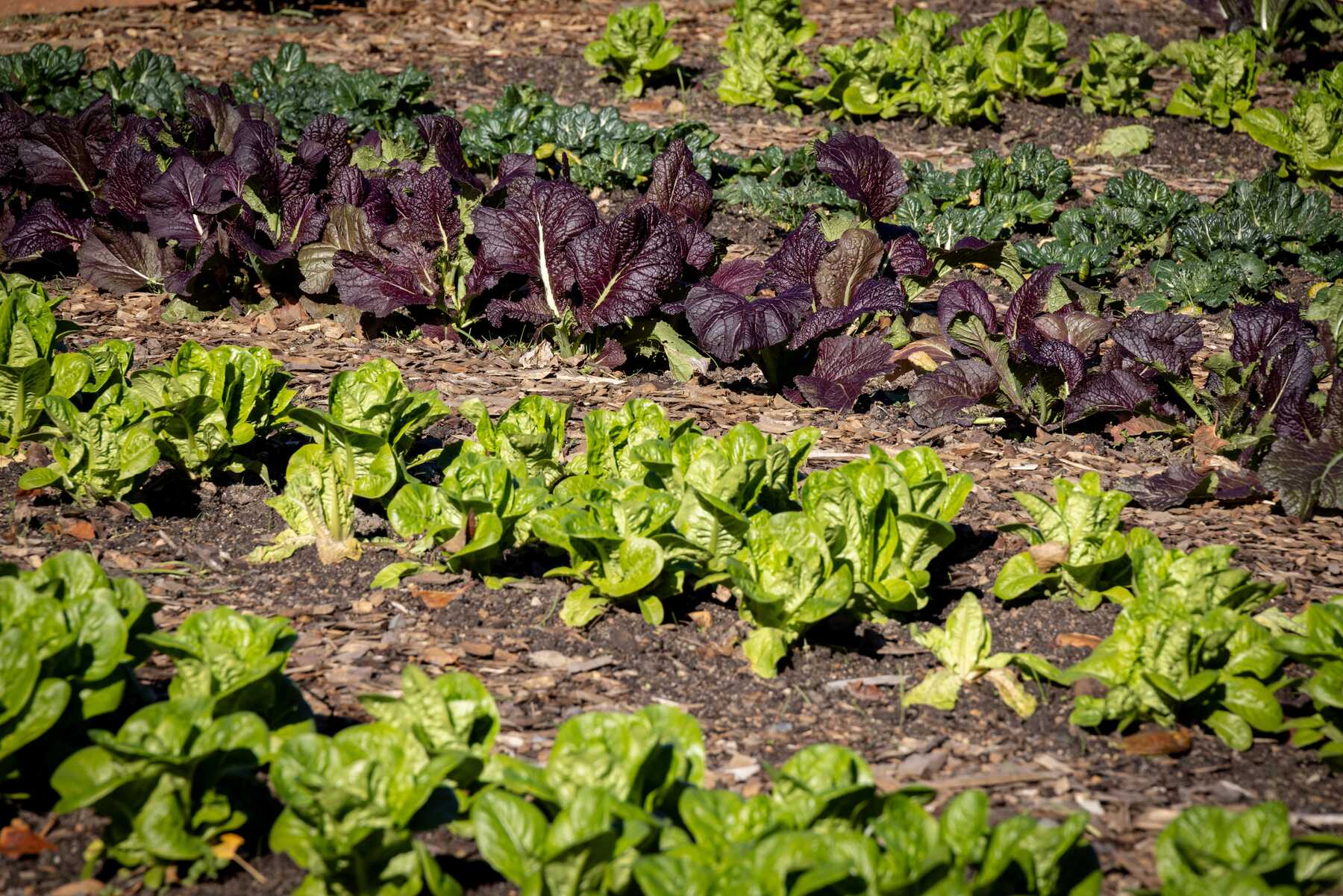
Getting real production out of a small-acreage homestead.
Read the article →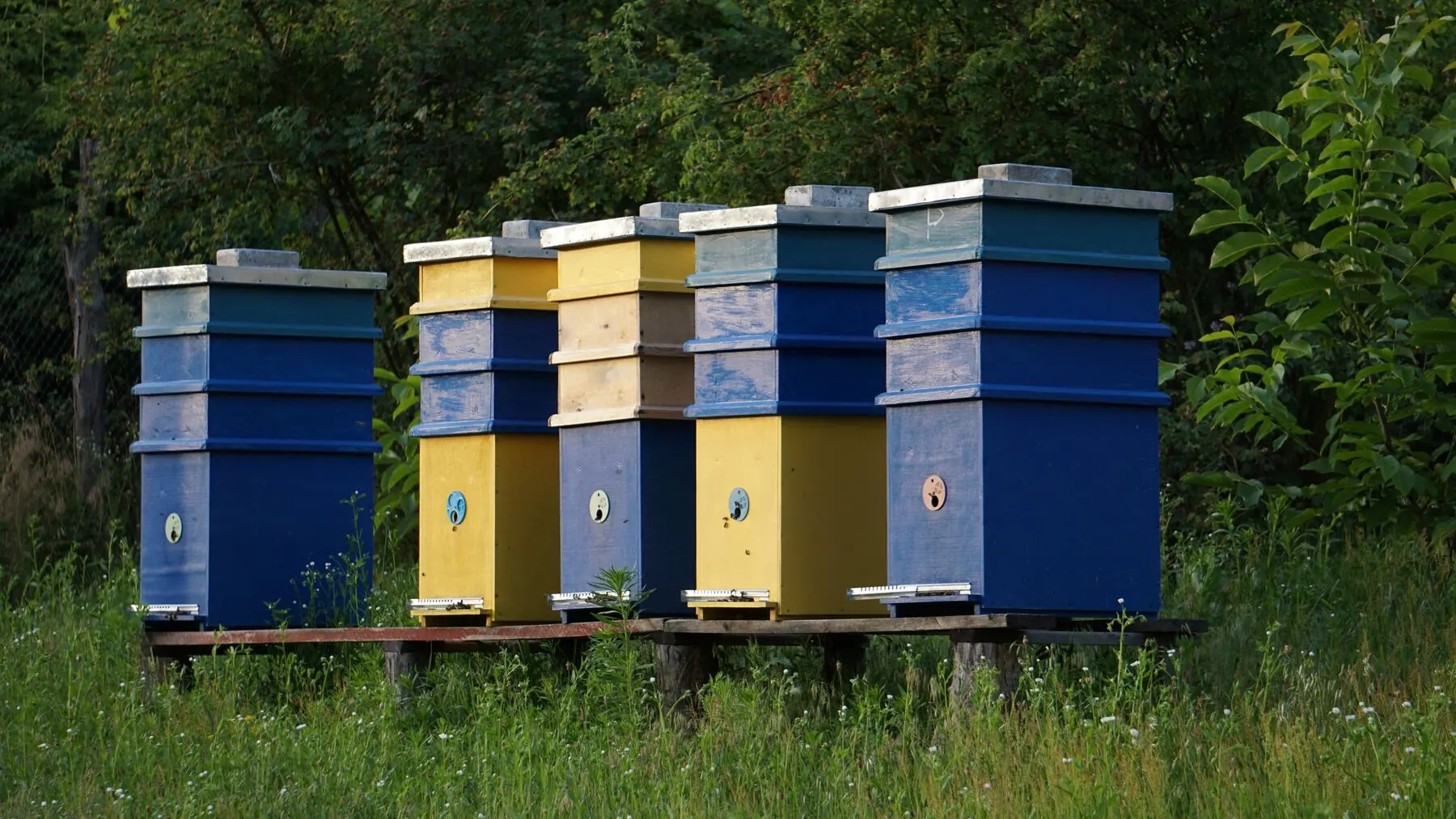
The safest, slowest path into beekeeping, and why it beats a hive kit and a video.
Read the article →Tell us what you're picturing, a garden, a few animals, or a full working homestead, and we'll help you find the acreage to match.
Talk to a Geoff