
Homesteading
Homesteading for Beginners: Where to Start
The land, soil, and income decisions to get right before you plant a single seed.
Read the article →The safest way in is slower than you'd think: learn first, then work alongside an experienced beekeeper before you're on your own.
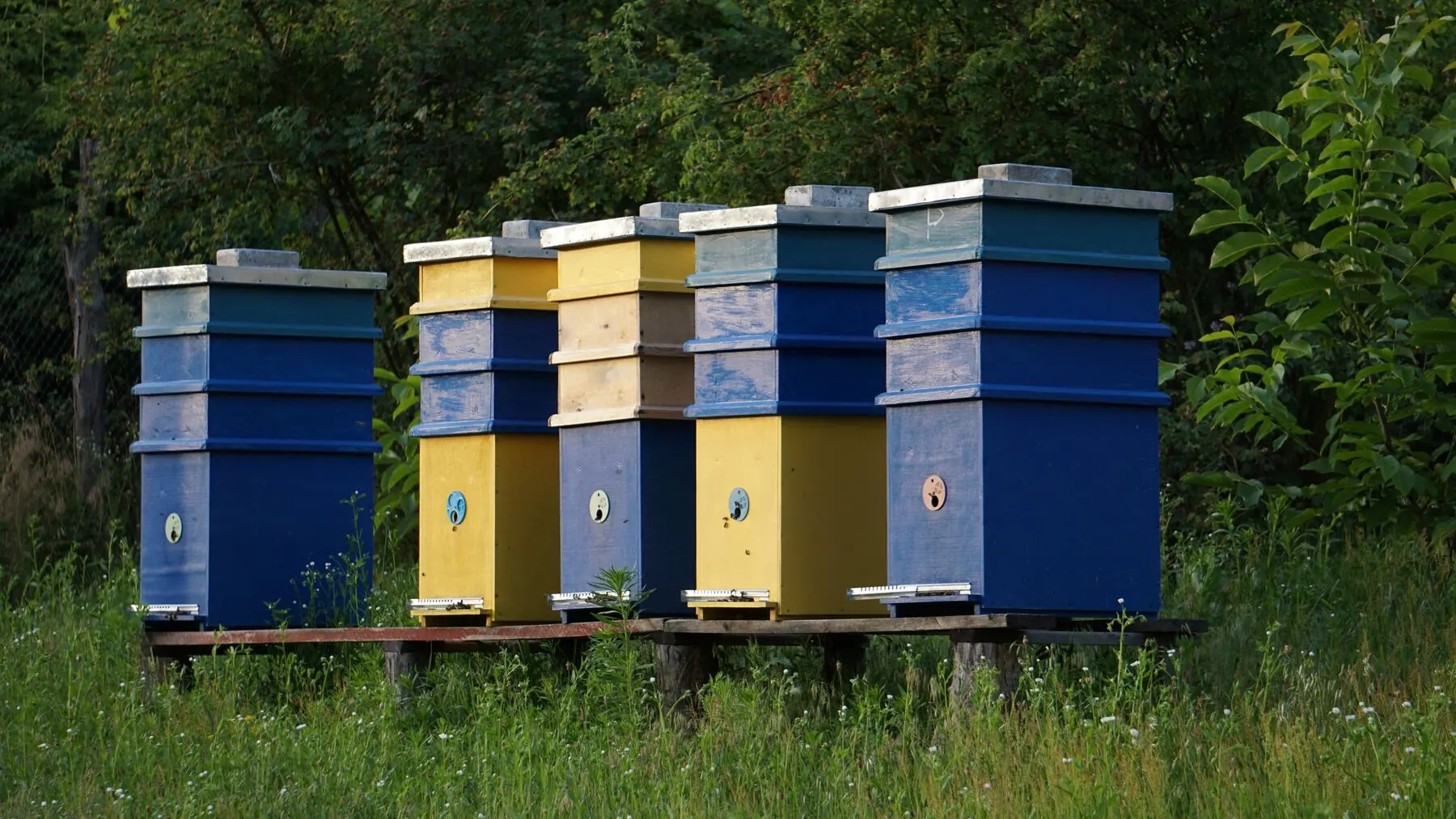
Starting beekeeping on your own land safely comes down to learning from an actual person before you touch a hive on your own: take a class, follow an experienced beekeeper, get outfitted with the right starter equipment, and then have that beekeeper follow you the first few times you work a hive solo. Skipping straight to a hive kit and a video is how new beekeepers get hurt and lose colonies.
Videos and articles cover the basics, but nothing replaces being able to ask a question and get an answer on the spot, especially the first time you are standing next to an open hive. Look for a local beekeeping class through a county extension office or a beekeepers' association first. If in-person classes are not available nearby, an online course taught by an actual, responsive instructor is a solid second choice, but the more real, personal feedback you can get early on, the safer and more confident you will be.
Once the classroom basics are down, there is still a lot that only comes from watching someone experienced work a hive in real conditions. Pay close attention to the safety habits, the equipment, and how problems get handled when something does not go as planned, a lot of that never makes it into a book. Join in when the beekeeper says you are ready, not before.
When it is time to start your own colony, invest in real equipment rather than improvising. Most beekeeping suppliers work with first-time beekeepers regularly and can put together a starter kit with exactly what a new colony needs, no more and no less. Buying the right starter kit up front saves money in the long run by keeping you from purchasing equipment you do not actually need yet.
Before going fully solo, work through a few sessions with an experienced beekeeper present but not doing the work for you. You handle the hive, they watch and correct. It is the fastest way to build real confidence without giving up the safety net, and you will know you are ready to go it alone when those sessions start feeling routine.
Bees do not need nearly as much dedicated space as most beginners expect, a single hive can sit on a modest patch of ground, but the surrounding property matters more than the hive site itself. A colony forages over a wide radius, so land with a real mix of flowering trees, clover, and wildflowers nearby supports a healthier hive than a mowed, uniform lawn ever will. Placing hives with some morning sun, afternoon shade, and a windbreak from mature trees or a fence line also helps a colony handle the hotter stretches of a Tennessee or Georgia summer.
Beekeeping needs room, both for the hives themselves and for a buffer of flowering plants and forage nearby to keep a colony fed. If you are shopping for rural acreage that can support bees alongside a garden or small livestock, whether that is a quiet tract in Rhea County, Tennessee or acreage in the rolling farmland around Cherokee County, Georgia, our land team can help you find ground with the space and forage a colony actually needs.
Beekeeping tends to work especially well alongside a vegetable garden or fruit trees, since the bees are already doing pollination work that would otherwise fall to you. It is one of the lower-maintenance additions to a working homestead once a colony is established, which is part of why it shows up so often as a first project for new landowners easing into a fuller homesteading plan.
A first-year colony is still establishing itself, drawing comb, building up numbers, and settling into its new location, so it is normal not to harvest much honey, if any, in year one. Treat the first season as building the foundation rather than a payoff, check in on the class schedule and your mentor beekeeper regularly, and expect the real production to start showing up in year two once the colony is fully established.
The land, soil, and income decisions to get right before you plant a single seed.
Read the article →
The biggest early challenges new farm owners hit, and practical fixes for each.
Read the article →
Getting real production out of a small-acreage homestead.
Read the article →We'll help you find acreage with the space and forage a bee colony, and the rest of your homestead, actually needs.
Talk to a Geoff