Starting a small farm is genuinely hard, but the three biggest obstacles new farmers face all have workable answers. If you are weighing whether to turn a piece of land into a working farm, here is what actually trips people up and how to plan around it.
Challenge 1: Weather and Land Conditions
Mother Nature does not care about your plans. Rocky soil, drought years, too much rain, or an early freeze can all set back a new farm regardless of how well you prepared. There is no way to eliminate this risk entirely, but staying connected to other farmers in your area helps more than almost anything else. Local farmers know which parts of a county flood, which fields drain poorly, and which crops actually do well in your specific soil, and most are glad to share what they have learned the hard way.
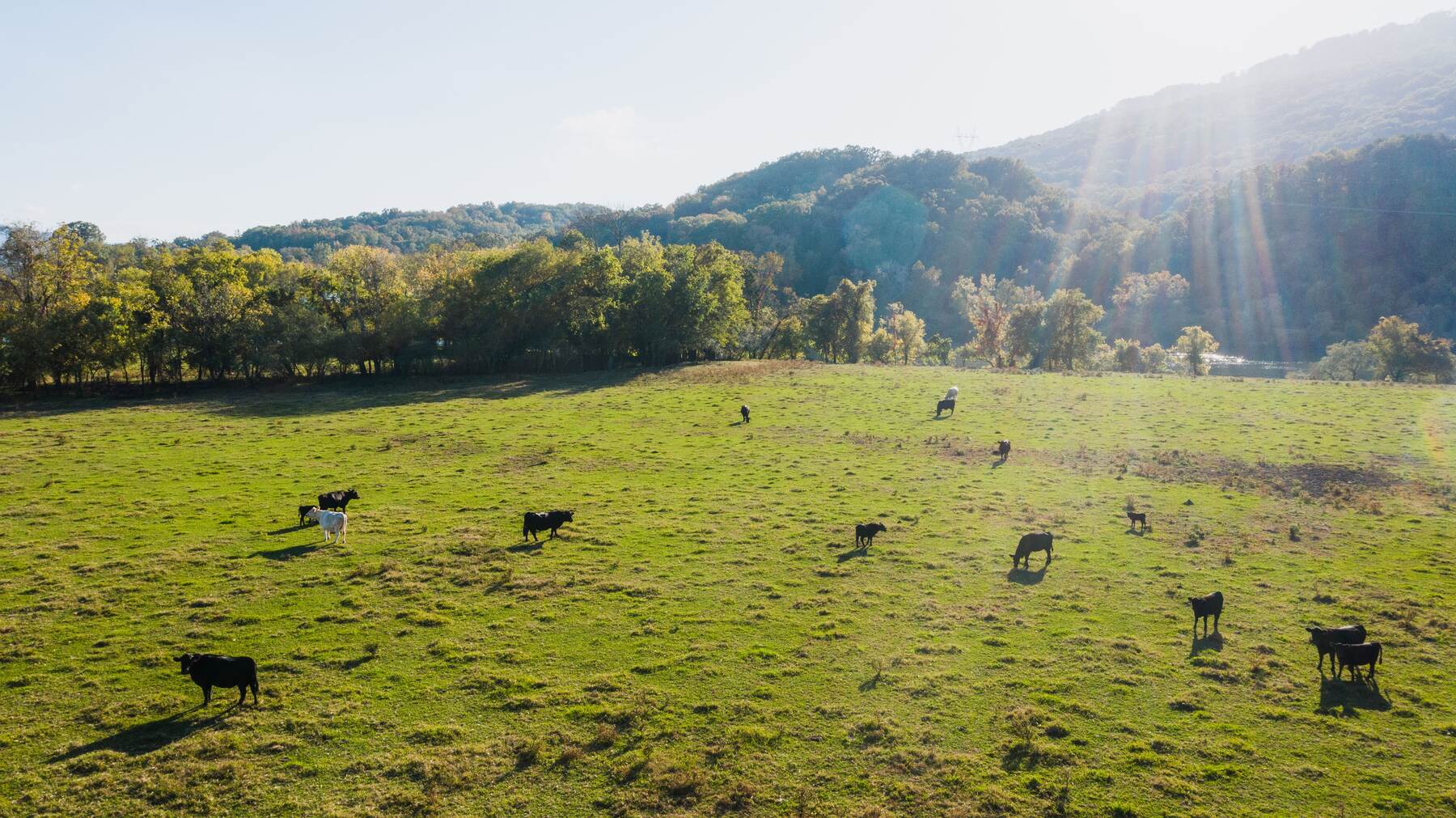
Soil and drainage also vary noticeably across our four regions. North Georgia’s mountain counties tend toward rockier, more sloped ground that favors pasture and orchards over row crops, while the flatter land around Rutherford and Wilson Counties near Nashville supports traditional row-crop farming more easily. Knowing which category your land falls into before you commit to a crop plan saves a season of trial and error.
Challenge 2: Startup Costs Add Up Fast
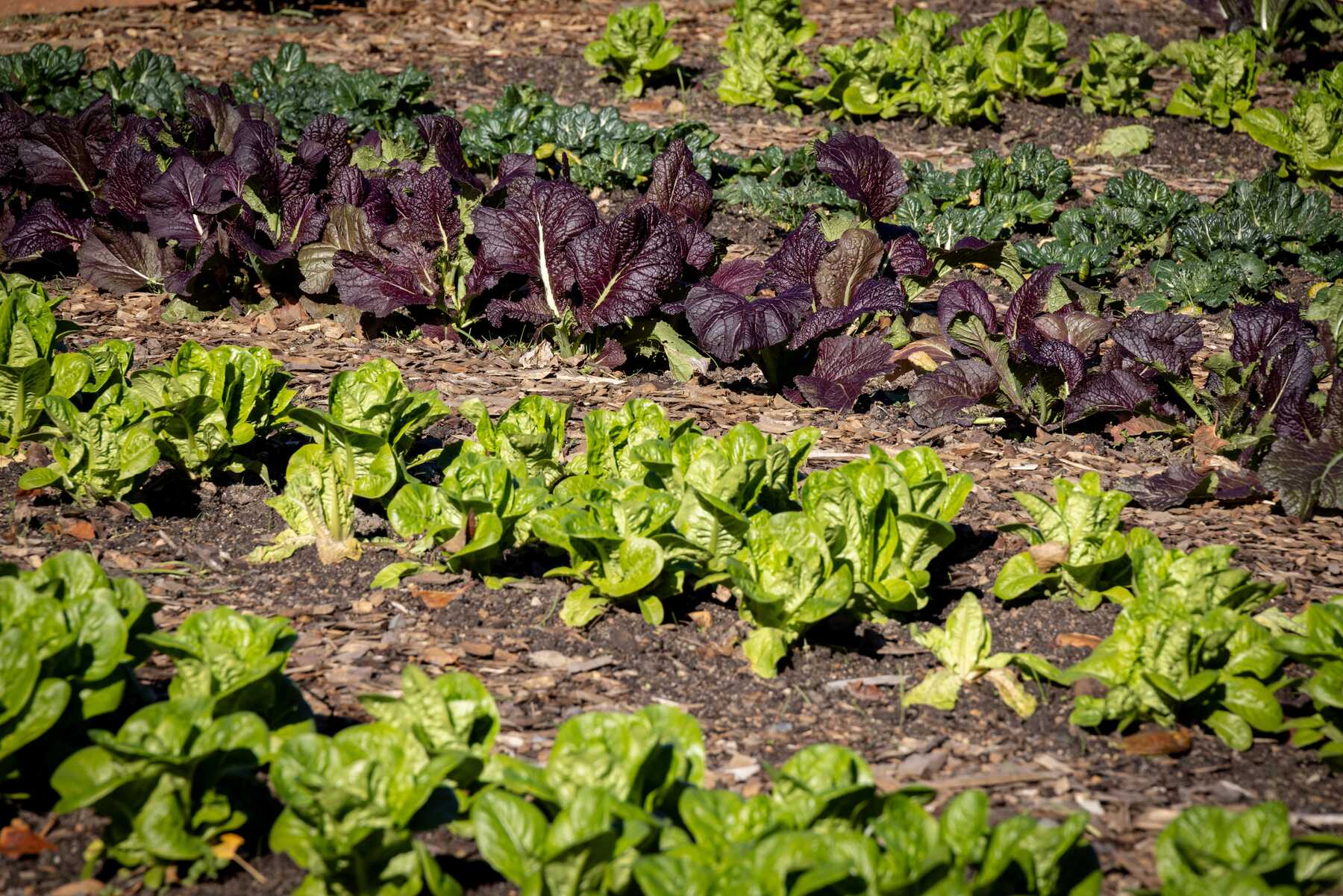
Land, equipment, fencing, and labor all cost real money, and it is easy to underestimate the total before you start. The good news is that starting small is a legitimate strategy, not a compromise. A modest garden plot, a few raised beds, or a small flock can generate produce or eggs to sell at a local farmers market while you build knowledge, savings, and reputation. Many working farms today started exactly this way and grew acre by acre as the operation proved itself out.
Challenge 3: Financing Land and Equipment
Access to capital is consistently one of the top challenges beginning farmers report, and it is easy to see why: land is expensive, and traditional agricultural loans often require a credit history or collateral that a first-time farmer does not yet have. Government-backed loan programs through the USDA’s Farm Service Agency exist specifically for beginning farmers and are worth researching early, since eligibility and terms are often more workable than a conventional bank loan.
Finding the Right Land to Start On
The land itself matters as much as the plan. A parcel with decent soil, reasonable drainage, and existing outbuildings or fencing gives a new farm operation a real head start compared to raw, unimproved ground. Acreage around Dickson County and the Middle Tennessee farm belt has attracted a steady stream of first-time farmers for exactly this reason: workable soil within reach of Nashville markets. North Georgia counties like Gordon and Walker offer similar advantages for farmers wanting proximity to Atlanta-area markets, while land around Dayton in Rhea County and Soddy-Daisy near Chattanooga suits smaller operations focused on direct-to-buyer sales rather than large-scale distribution.
Building a Support Network Early
New farmers who succeed rarely do it alone. County extension offices, local farm bureaus, and informal groups of nearby growers are all worth connecting with before you plant your first row. These relationships pay off in practical ways: knowing who to call when equipment breaks, who has extra hay when yours runs short, or who can tell you honestly whether a specific field floods in a wet spring. Building that network takes time, so start reaching out as soon as you own the land, not after the first setback forces the issue.
It also pays to be patient with yourself. Most working farms took years to become fully productive, and the farmers running them today started with the same weather setbacks, tight budgets, and financing questions covered here. The learning curve is real, but it is also survivable, and every season on the land teaches you something the last one could not.
Start Where You Are
Nobody starts a farm with everything figured out. The combination of realistic expectations, a community of other growers, and land that fits your actual budget and goals gets most new farmers further than waiting for perfect conditions ever would. If you are shopping for a tract to start on, our land listings include acreage across all four regions suited to everything from a market garden to a full working farm.
The challenges are real, but so are the farmers working through them successfully every season. Yours can be one of them.