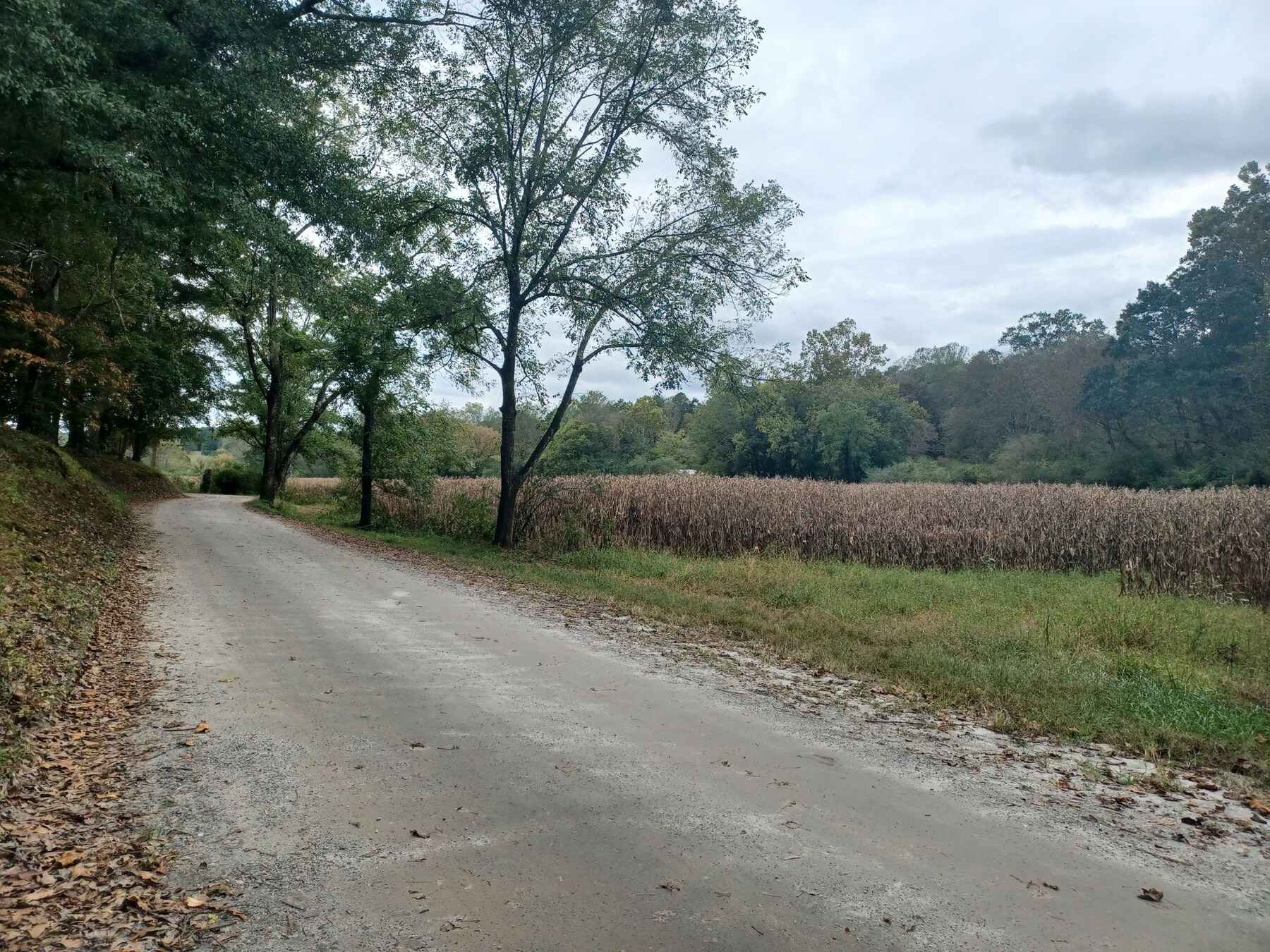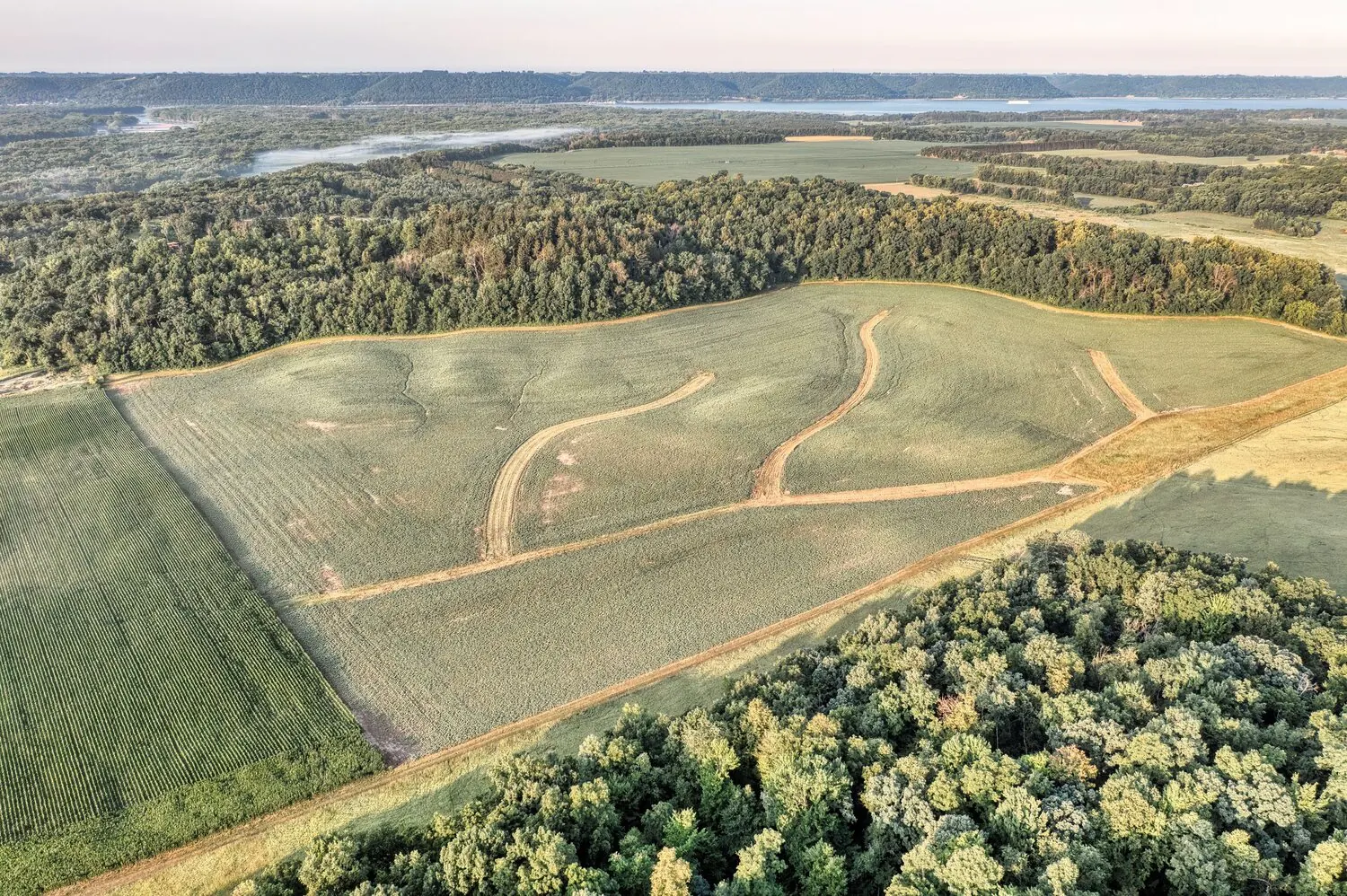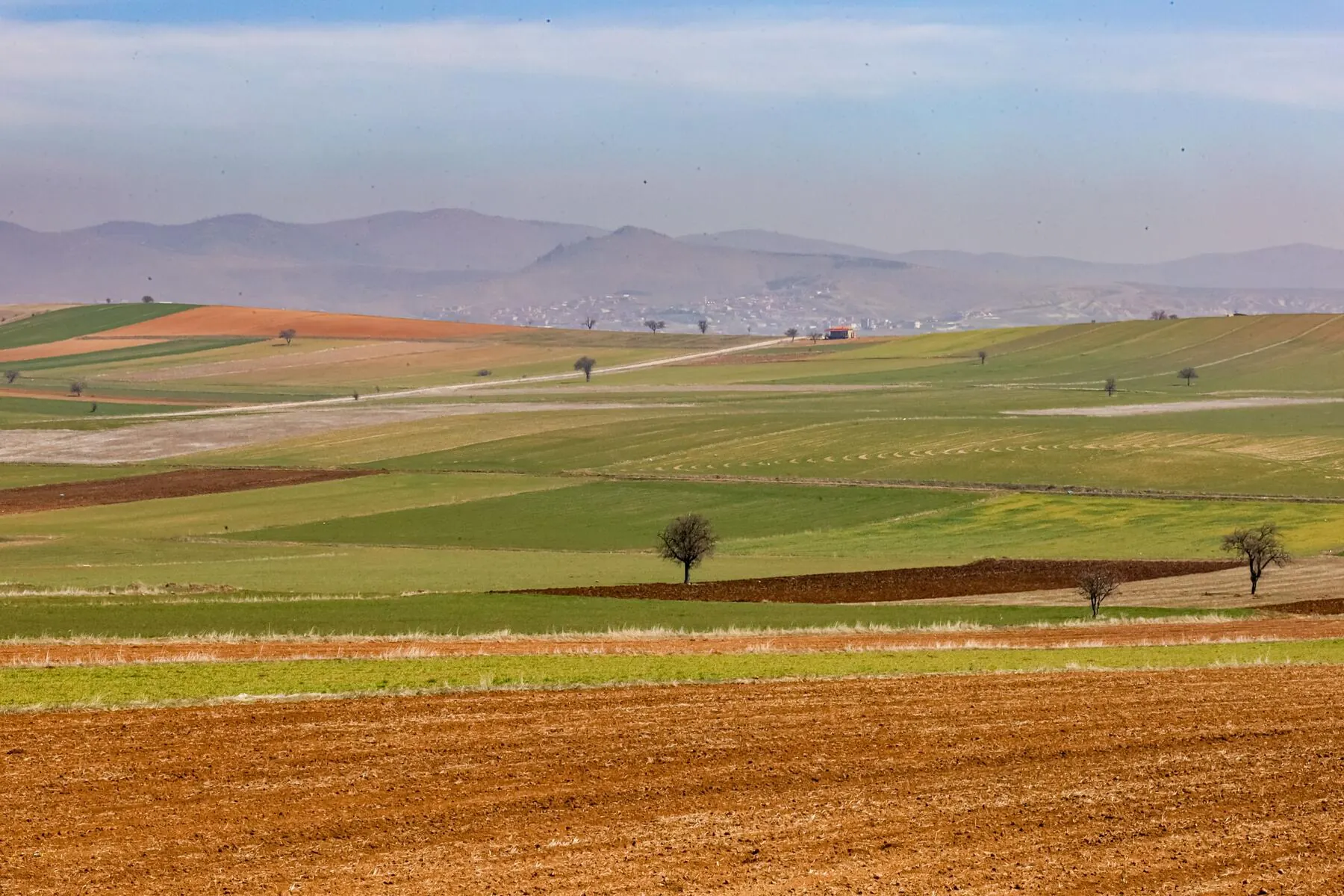
Selling land well comes down to pricing it from real land sales rather than the tax card, knowing which kind of buyer will pay the most for your particular parcel, and having the answers those buyers will ask for ready before you list: a survey, legal access, soils, flood status, utilities, and any tax programs the land is enrolled in. Land has fewer comparable sales and a narrower pool of buyers than a house, so preparation and the right marketing matter more.
Price It From Land Sales, Not the Tax Appraisal
The county’s appraised value is a starting point for property taxes, not a sale price. Land is priced from comparable land sales, and good comparables are scarce, so they have to be adjusted for the things that drive land value: road frontage, how much of the acreage is usable, slope, timber, water, views, soils, and how close utilities are. Larger tracts usually sell for less per acre than small ones, and two parcels of the same size on the same road can be worth very different amounts.
That is why land pricing takes a specialist. Overprice a tract and it sits, and land that sits gets shopped around until buyers assume something is wrong with it.
Know Who Your Buyer Is
The person who pays the most for a wooded ridge is not the same person who pays the most for flat pasture. Land buyers in our region include families looking for a homesite, hunters and recreational buyers, farmers expanding an operation, timber investors, and builders and developers. Each one values different features. A hunter cares about cover, water, and neighbors who do not hunt. A homesite buyer cares about road frontage, a good building spot, and power at the road. Marketing that speaks to the right buyer is how you get the best price.
Have the Answers Ready Before You List
Serious land buyers ask questions a house buyer never would, and every unanswered one either slows the sale or lowers the offer. Gather these before you list:
- A survey or recorded plat showing the boundaries and acreage.
- Proof of legal access, meaning road frontage or a recorded easement.
- Soil and septic information. A soil evaluation done ahead of time can widen your buyer pool, because it answers the biggest question a homesite buyer has. Our guide to checking whether land is buildable explains what buyers look for.
- Flood map status, especially for creek or river frontage.
- Utilities: where the nearest power line and water line are.
- Any leases or agreements, such as hunting or farm leases, timber contracts, or easements for pipelines and power lines.
- Restrictions in the deed or a subdivision’s covenants.
Check Greenbelt or Conservation Use Before You Sell
Much of the rural land in Tennessee is enrolled in greenbelt, the state program that taxes farm, forest, and open space land at its use value instead of its market value. If the new owner takes the land out of that use, rollback taxes come due, recapturing the tax savings from recent years. In Georgia, many tracts sit under a conservation use covenant, a ten-year agreement that carries a penalty if it is broken early, though a qualifying buyer can often continue it.
Neither is a reason not to sell, but who pays any rollback or penalty should be settled in the contract, not discovered at the closing table. Check with the county assessor whether your land is enrolled before you list.
Know What Your Timber Is Worth
Standing timber can be a real part of a tract’s value, and buyers who know timber will price it in. Before you sell, consider having a consulting forester estimate what is standing. Think carefully before cutting it yourself first: some buyers want the trees, and a fresh clear-cut can make a tract harder to sell.
Should You Divide the Property?
Splitting a large tract into smaller parcels can bring a higher total price, because more buyers can afford a smaller piece. It also costs money and time: new surveys, a plat, possibly a road, and the county’s subdivision approval. Whether it pays depends on the land, the road frontage, and the local market, and it is worth running the numbers both ways before you decide.
Plan for the Taxes on the Sale
Selling land you have held for years can mean a meaningful capital gains bill. If the land was held as an investment and you plan to buy other investment property, a 1031 exchange may let you defer that tax, but it has strict deadlines and must be set up before the sale closes. Talk to a tax adviser early.
Why a Land Specialist Sells Land Better
Most agents sell houses. Geoff Hurdle is an Accredited Land Consultant and the 2026 National President of the Realtors Land Institute, and he has spent more than three decades buying, selling, and developing land. He knows how to price a tract from thin comparables, who the real buyers are for it, and how to market it to them. If you are thinking about selling, see how the team handles land, or ask what your property might be worth.
Common Questions
How is land priced when it sells? From comparable land sales, adjusted for road frontage, usable acreage, slope, timber, water, soils, and access to utilities. The county’s tax appraisal is not a reliable guide to market value.
Do I need a survey to sell land? Not always by law, but most buyers and lenders will want one, and a current survey answers questions about boundaries and acreage that otherwise slow the sale.
What are greenbelt rollback taxes in Tennessee? When land enrolled in Tennessee’s greenbelt program is taken out of farm, forest, or open space use, rollback taxes recapture the tax savings from recent years. Who pays them is negotiable and should be written into the sale contract.